
Atmospheric Rivers and Older San Diego Homes
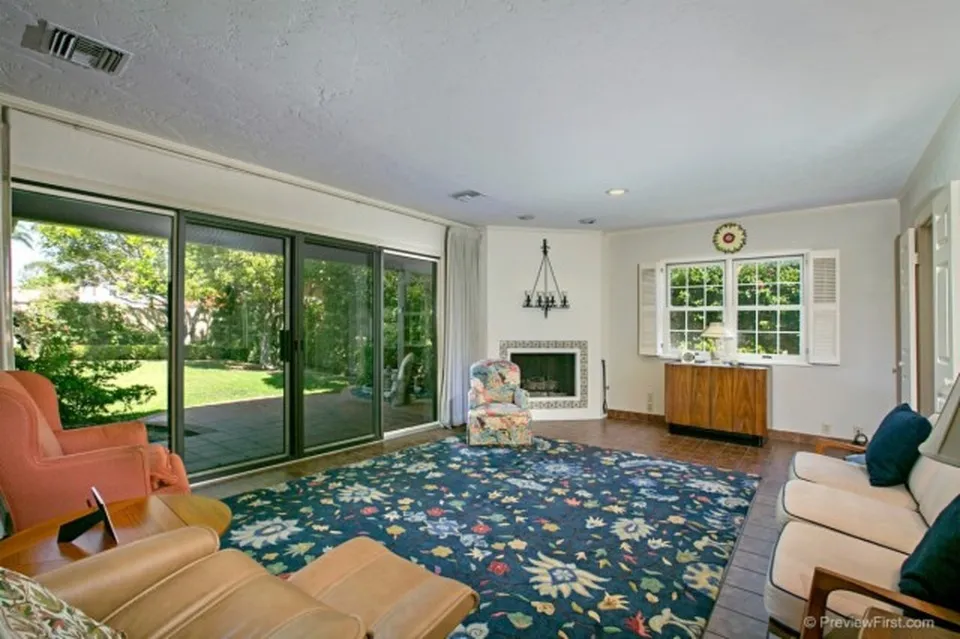
"Atmospheric river" used to be a term you'd only meet in a meteorology journal. Now it's in every local forecast, and the new year has opened with a run of them aimed at California. For most of the year, San Diego's climate flatters our housing stock — a house can carry a marginal roof detail or a tired window flashing for a decade here and nobody notices. Then a storm system parks offshore and delivers a season's worth of rain in a weekend, and every shortcut the house has been hiding announces itself at once.
If you own an older home — a midcentury ranch in Allied Gardens, a Spanish revival in Kensington, a beach cottage in Ocean Beach that's been added onto three times — this is the week the house talks. It's worth listening.
Why older homes struggle in concentrated rain
It isn't that homes built in the 1940s through the 1970s were built badly. It's that they were built for a drier assumption, and then modified for fifty years. Original 90-pound rolled roofing gets layered over. A room addition ties into the old roof at a shallow pitch. Stucco gets patched around a replaced window without proper paper laps. Each change works fine in a drizzle. An atmospheric river doesn't drizzle — it pushes wind-driven water sideways into every unsealed joint and loads gutters and valleys past anything they see the other eleven months of the year.
The most common trouble spots we find in older San Diego homes are boringly consistent: roof-to-wall transitions at additions, chimney flashing, original steel or aluminum windows with no modern flashing behind them, and grade that has crept upward over decades of landscaping until soil sits against stucco.
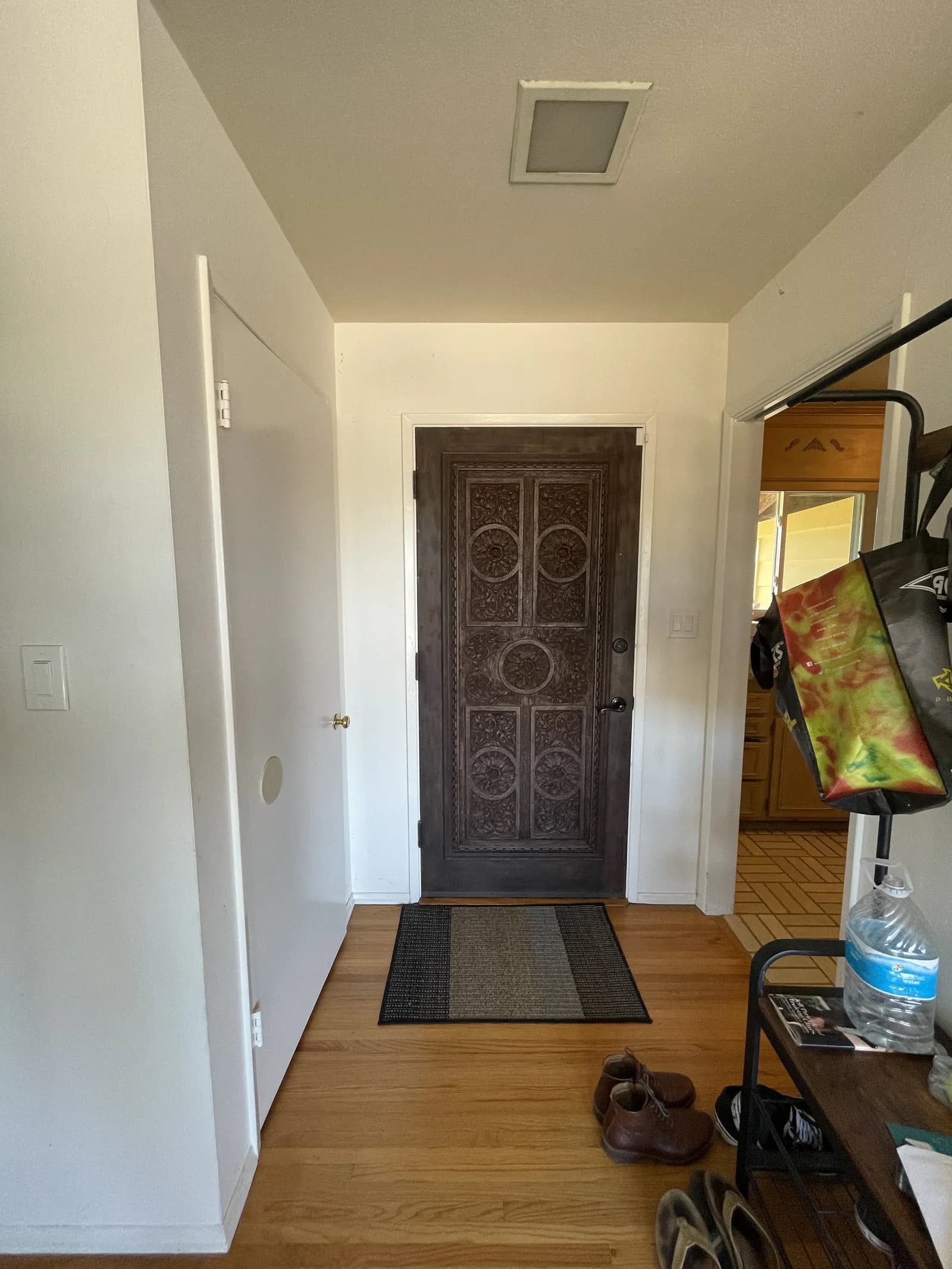
Water you see, and water you don't
A ceiling stain is annoying, but it's honest — it tells you where to look. The damage that costs real money is the quiet kind: water wicking into wall framing behind stucco, dampness under a slab-on-grade floor where drainage slopes toward the house, moisture in a flat-roofed addition's ceiling cavity that never quite dries between storms. By the time that shows up as soft drywall or a musty smell, it has usually been happening for years.
So this month, be a detective. After a storm, walk the exterior. Look for staining below windows, ponding against the foundation, gutters overflowing at inside corners, and efflorescence — that white mineral bloom — on stucco near grade. Photograph what you find with dates. That record is gold later, whether for a repair or a remodel.
The remodel is when you fix it permanently
Here's the quiet advantage of remodeling an older home: the storm problems and the design problems live in the same walls. When a whole-home remodel opens up the building, we're not just reconfiguring the floor plan — we're installing modern flashing, weather-resistive barriers, and drainage details the house never had. We covered the specifics in Rain on New Windows: The Waterproofing Details That Matter, and they apply to the whole envelope, not just the glass.
With mortgage rates where they've been, plenty of San Diegans have decided to stay put and make the house they own into the house they want. If that's you, let this stormy stretch inform the plan. The house is showing you its weak points for free.
Start with the list the storms wrote
Keep your notes and photos from this winter — they're the beginning of a scope of work. Request a consultation or give us a call — tell us what the rain revealed, and we'll help you fix it once, properly, as part of a home you'll love in every season.
Design · Build · Integration
Let's build something beautiful.
Call (619) 334-3322 or request your free design-build consultation.