
Countertop Materials Ranked by Maintenance
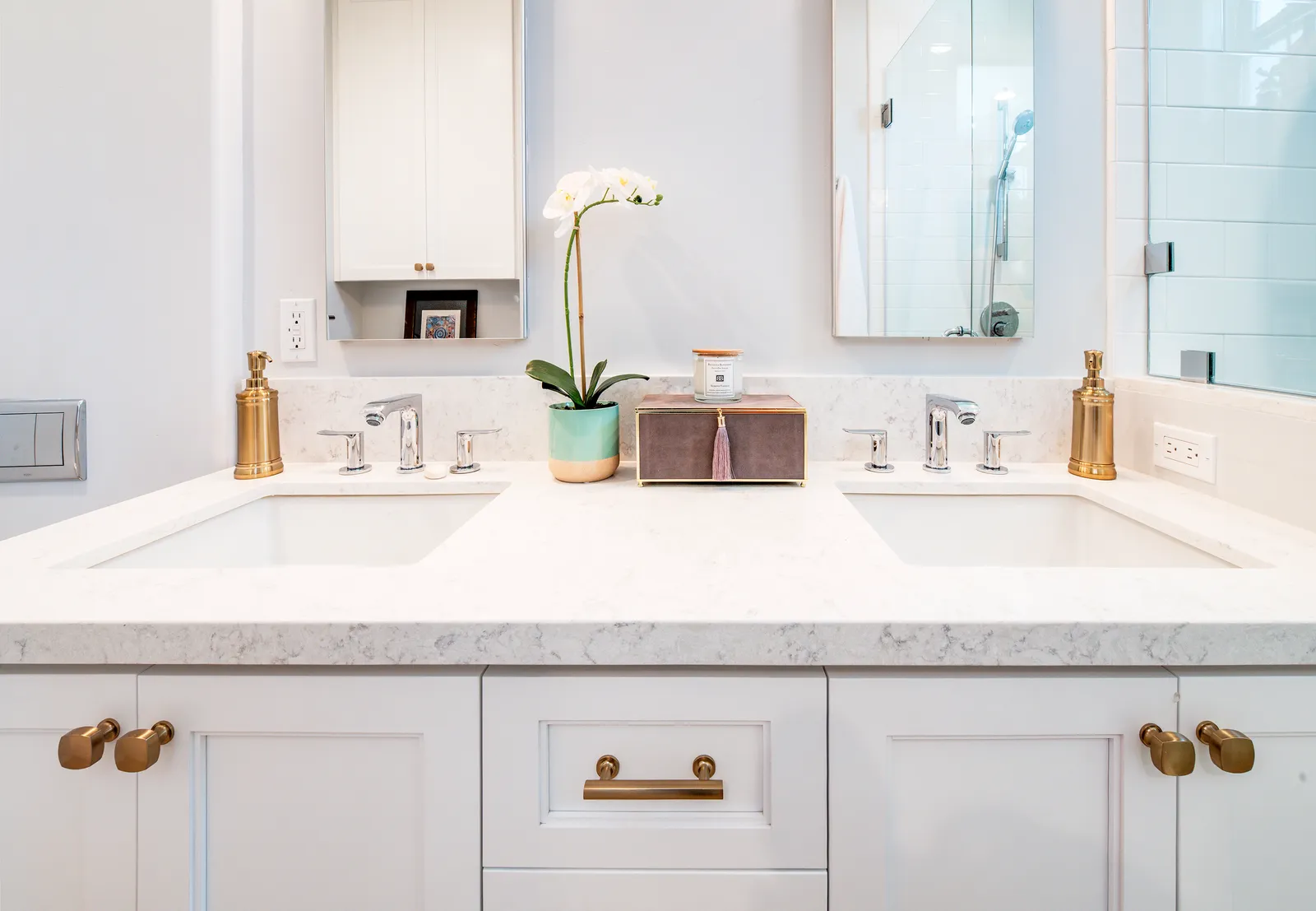
In the showroom, every countertop is perfect. Nobody has set a hot pan on it, spilled red wine across it, or let a sliced lemon sit overnight. The slab you fall in love with on a Saturday morning is auditioning for a job it will hold for twenty years — so before you commit, it's worth asking the unglamorous question: how much work does this surface expect from you?
Here's how the most popular materials rank, from the ones that ask almost nothing to the ones that ask for a relationship.
The low-maintenance champions
Quartz (engineered stone) sits at the top for a reason. It's non-porous, so it never needs sealing, shrugs off coffee and wine, and cleans with soap and water. Its main weakness is heat — always use a trivet — and strong sun, which can discolor some slabs on outdoor or window-adjacent installs.
Porcelain slab is the rising contender: extremely hard, heat-tolerant, UV-stable, and non-porous. The material itself is nearly indestructible in daily use; edges and impact chips are its rare vulnerability, and repairs are harder to hide than on stone.
Solid surface deserves a mention for one unique trick: scratches and burns can be sanded out. It's softer than stone, but it's the only material on this list that gets repaired rather than lived with.
The middle of the pack
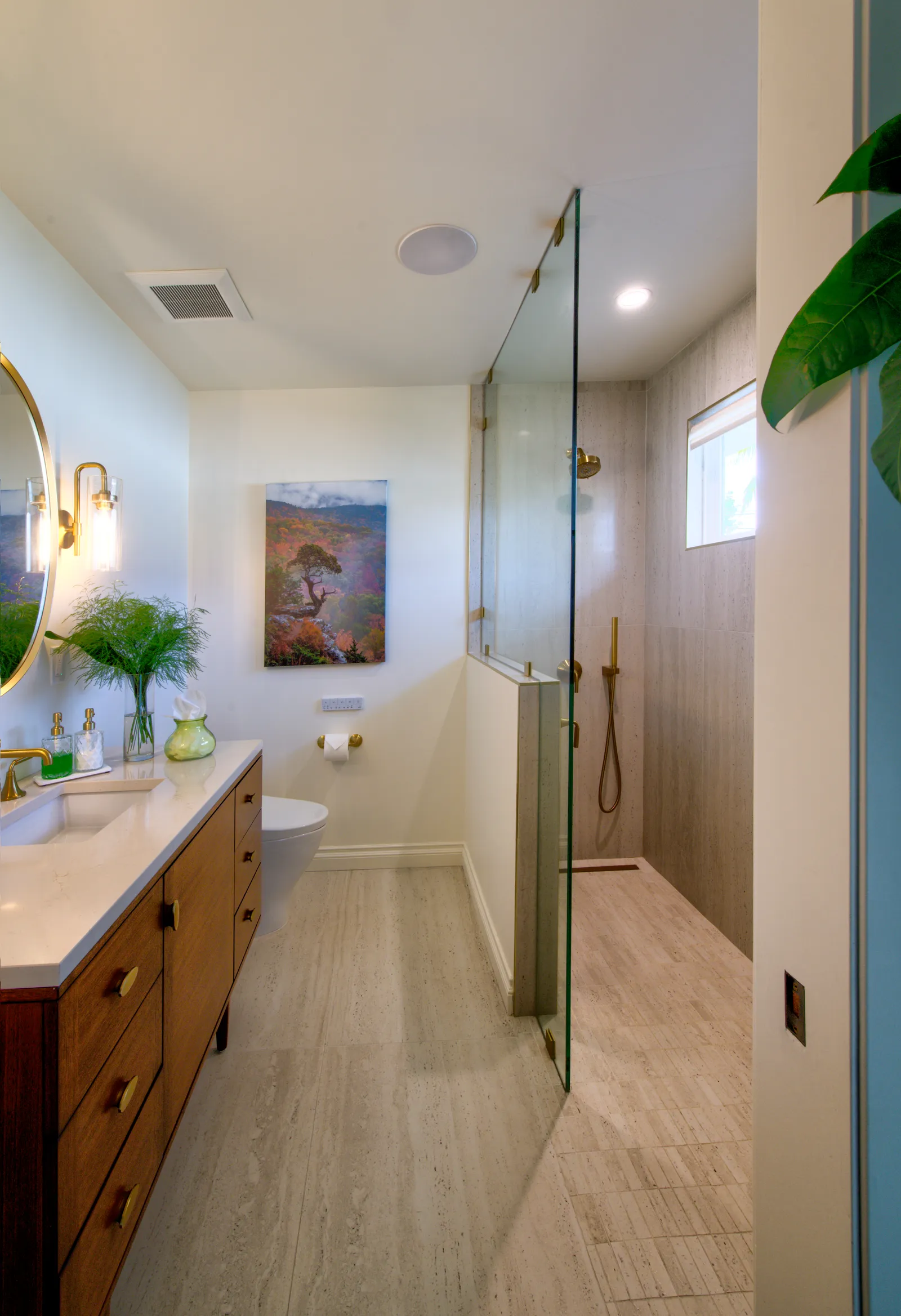
Granite earned its decades of popularity honestly. It handles heat and scratches well, and modern sealers have made upkeep genuinely easy — a reseal every year or two, often just a wipe-on product you apply yourself. Lighter, more porous granites need more attention than dense dark ones.
Butcher block is warmer and more forgiving underfoot for dropped glassware than any stone, and it's wonderful in a walk-in pantry or baking station. But it wants regular oiling, hates standing water around sinks, and will absolutely record your household's history in dings and stains. Some people love that. Know which person you are.
The high-maintenance beauties
Marble is the one everyone wants and the one we counsel the most caution about. It etches — acids like lemon juice and vinegar dull the polish on contact, sealer or no sealer — and it stains more readily than granite. In a kitchen that cooks hard, marble develops a patina within the first year. If you'd see that as character, marble will make you happy for decades; if you'd see it as damage, choose a marble-look quartz and never look back. In a powder room or a primary bath, where acids and hot pans are rare, marble is far more practical.
Concrete looks effortless and is anything but: it needs diligent sealing, can hairline-crack, and stains if the sealer lapses. Beautiful in the right modern home, but it's a commitment.
Matching the material to your household
There's no universally "best" countertop — there's the best one for how you actually live. A household of serious cooks with kids gets a different recommendation than a couple who mostly assembles takeout. And remember that maintenance tolerance is exactly the kind of decision that should outlast trends; we dug into that thinking in Design Trends vs. Timeless Choices.
For a deeper look, see The Truth About "Waterproof" Flooring.
When we design a kitchen remodel, the countertop conversation starts with your habits, not the slab yard. Tell us how you cook, and we'll tell you what will still look good at your kid's graduation party. Request a consultation or give us a call — we'll help you pick a surface you'll never have to apologize to.
Design · Build · Integration
Let's build something beautiful.
Call (619) 334-3322 or request your free design-build consultation.