
Decks vs. Patios: Materials and Trade-Offs
Spring is when San Diego backyards get their annual audition. The rain is (mostly) behind us, the evenings are stretching out, and homeowners start asking the same foundational question: deck or patio?
It sounds like a style choice. It's really a site choice. After nearly two decades of building outdoor living spaces across the county, we can usually tell you which way a yard wants to go within five minutes of standing in it. Here's the thinking.
When a deck earns its keep
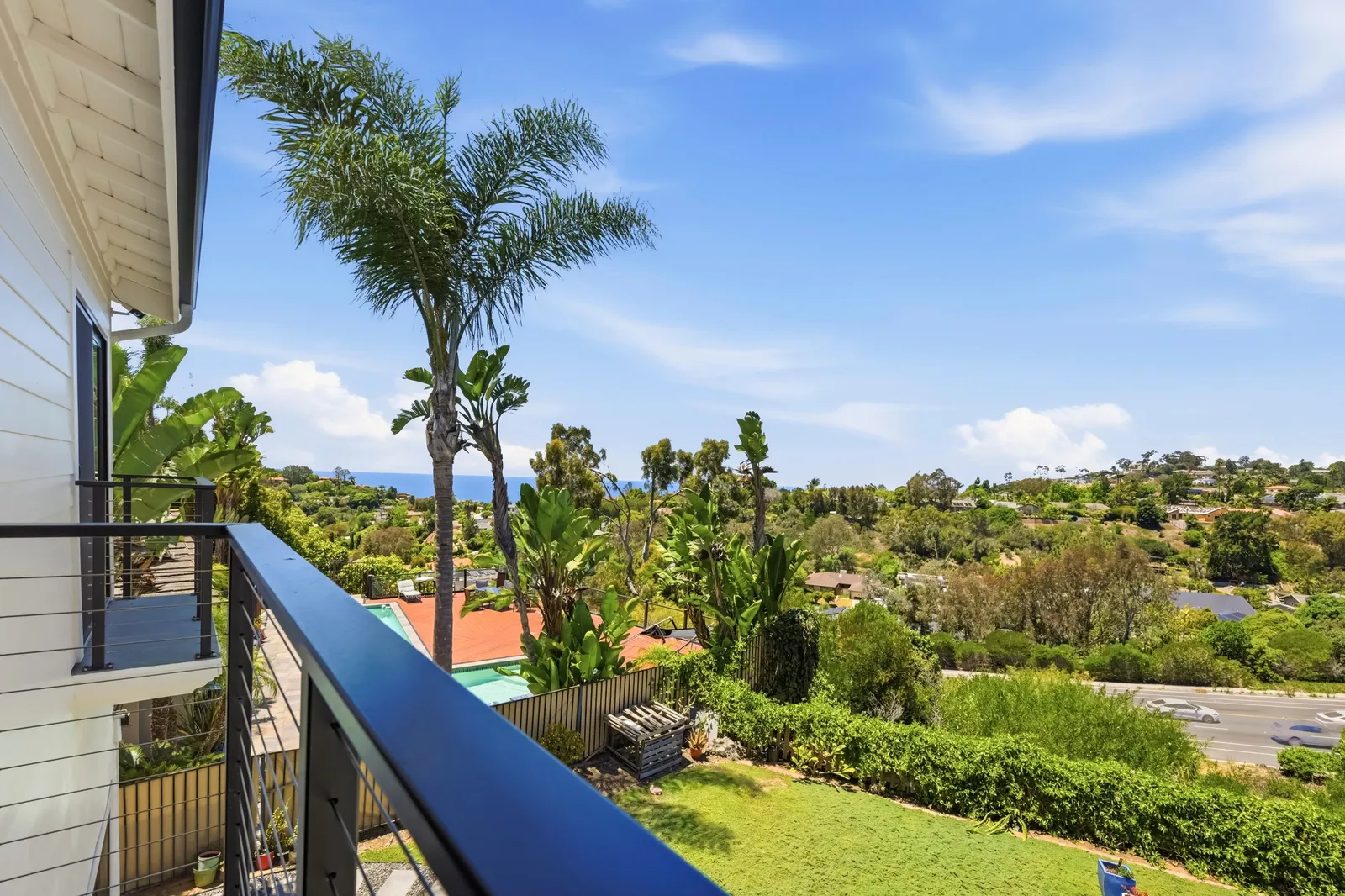
A deck is a raised, framed structure — and that's exactly when it makes sense: when the ground itself is the problem. Sloped canyon lots in Mission Hills and Mount Helix, homes where the main floor sits several feet above grade, view properties where lifting the living space a few feet turns rooftops into ocean. A deck floats level living space over terrain that would cost a fortune to flatten.
Decks also step. A well-designed multi-level deck can walk you down a slope in stages — dining up top, a lounge below, spa at the bottom — turning a yard you could never use into three rooms you'll use constantly.
The trade-offs are honest ones: decks involve structural framing, railings, and permits, and wood decks want regular refinishing. Composite decking has largely solved the maintenance problem in exchange for higher upfront cost and a warmer surface underfoot on hot days — worth weighing carefully for a west-facing, full-sun exposure.
The case for the patio
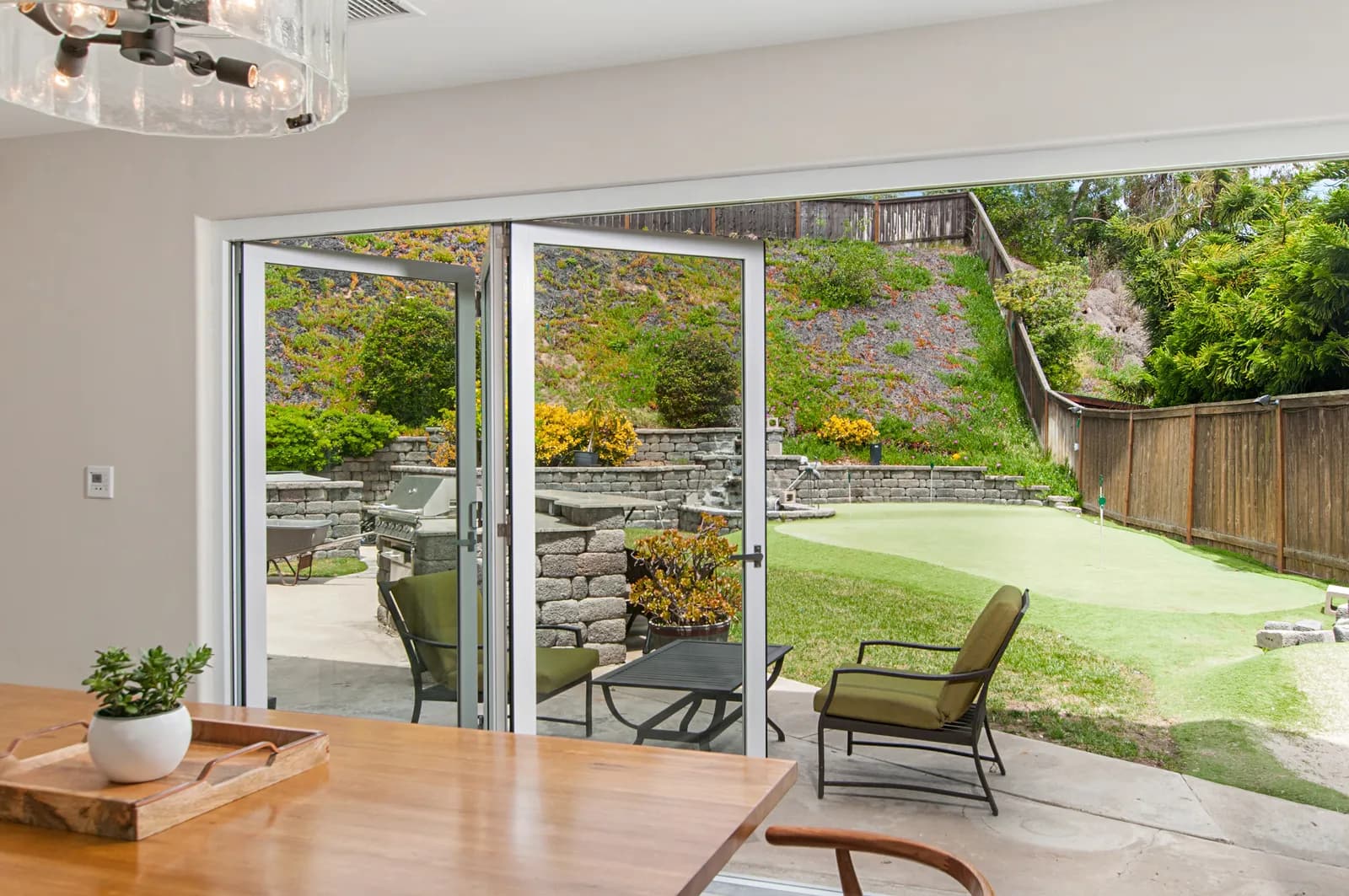
If your yard is already reasonably flat — the default condition of most inland ranch lots in Clairemont, La Mesa, and Poway — a patio is usually the stronger play. It sits on grade, so there's no structure to maintain, nothing to refinish, and no railing between you and the garden. It's cooler underfoot, it handles heavy things (spas, pizza ovens, planted pots) without an engineer, and it ages on geologic time.
Patios are also where built-ins want to live. Outdoor kitchens, seat walls, and fire features all prefer a slab under them — if that's the direction you're headed, our post on outdoor kitchens covers what's worth building in.
Materials, quickly
For patios, the spectrum runs from poured concrete (economical, crisp, endlessly formable) to pavers (repairable, great texture, forgiving of soil movement) to natural stone (the premium look, at a premium). For decks, it's wood versus composite: wood costs less and feels like wood, composite costs more and asks almost nothing of you afterward. This winter's record rains were a useful stress test — pavers on a properly drained base shrugged it off, while poorly drained slabs told on themselves.
The answer is often "both"
Plenty of our favorite projects pair them: a small deck at the door level, stepping down to a generous patio where the yard flattens out. Add shade — and in our sun, you'll want it, whether that's a pergola or a true covered room like the ones in our covered-patio guide — and you've built the indoor-outdoor life this climate keeps promising.
Ready to give your backyard a real job this summer? Tell us what you're imagining or give us a call — we'll help you read your site and build the outdoor room it's been waiting for.
Design · Build · Integration
Let's build something beautiful.
Call (619) 334-3322 or request your free design-build consultation.