
Drywall to Done: The Finish Phases of a Remodel
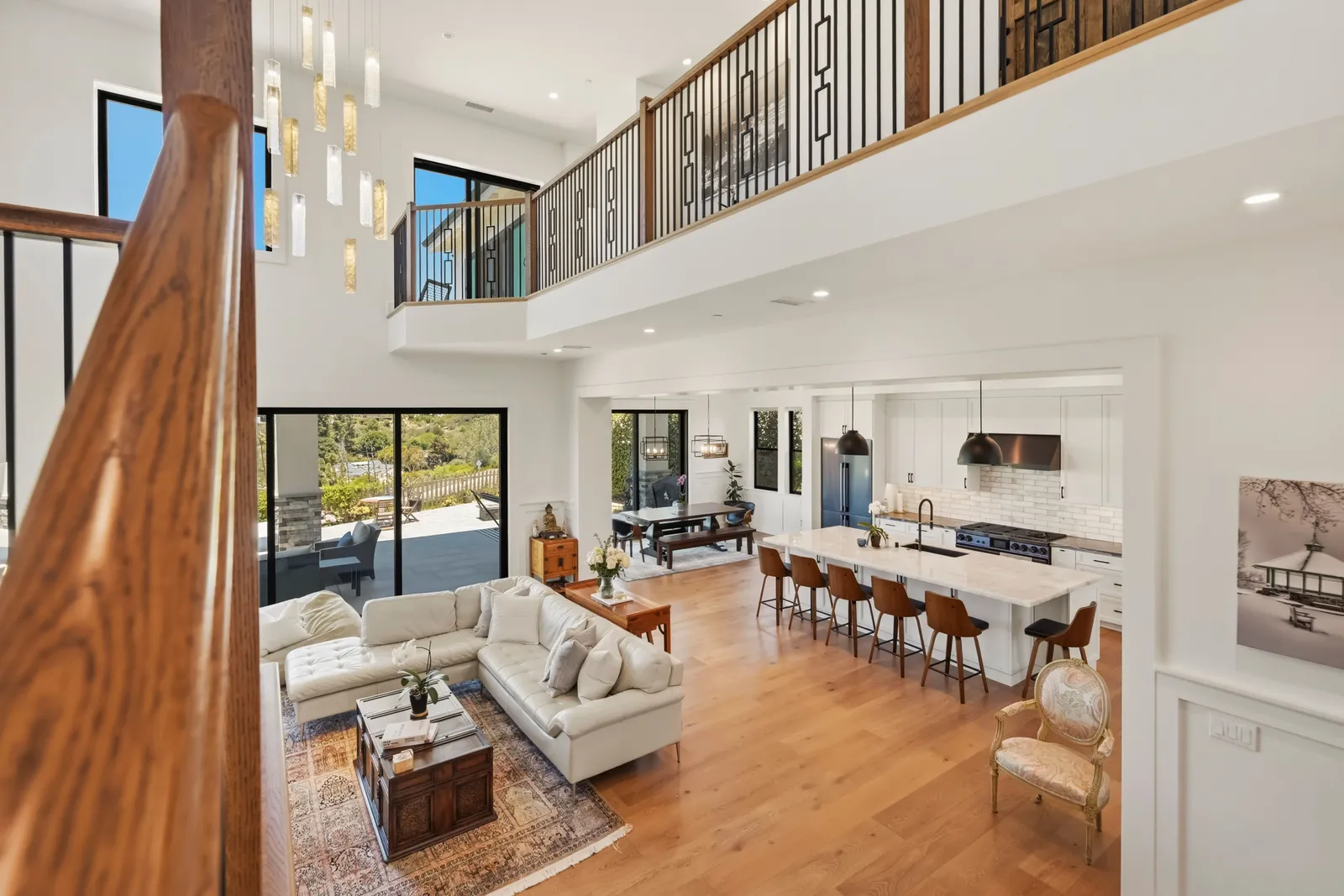
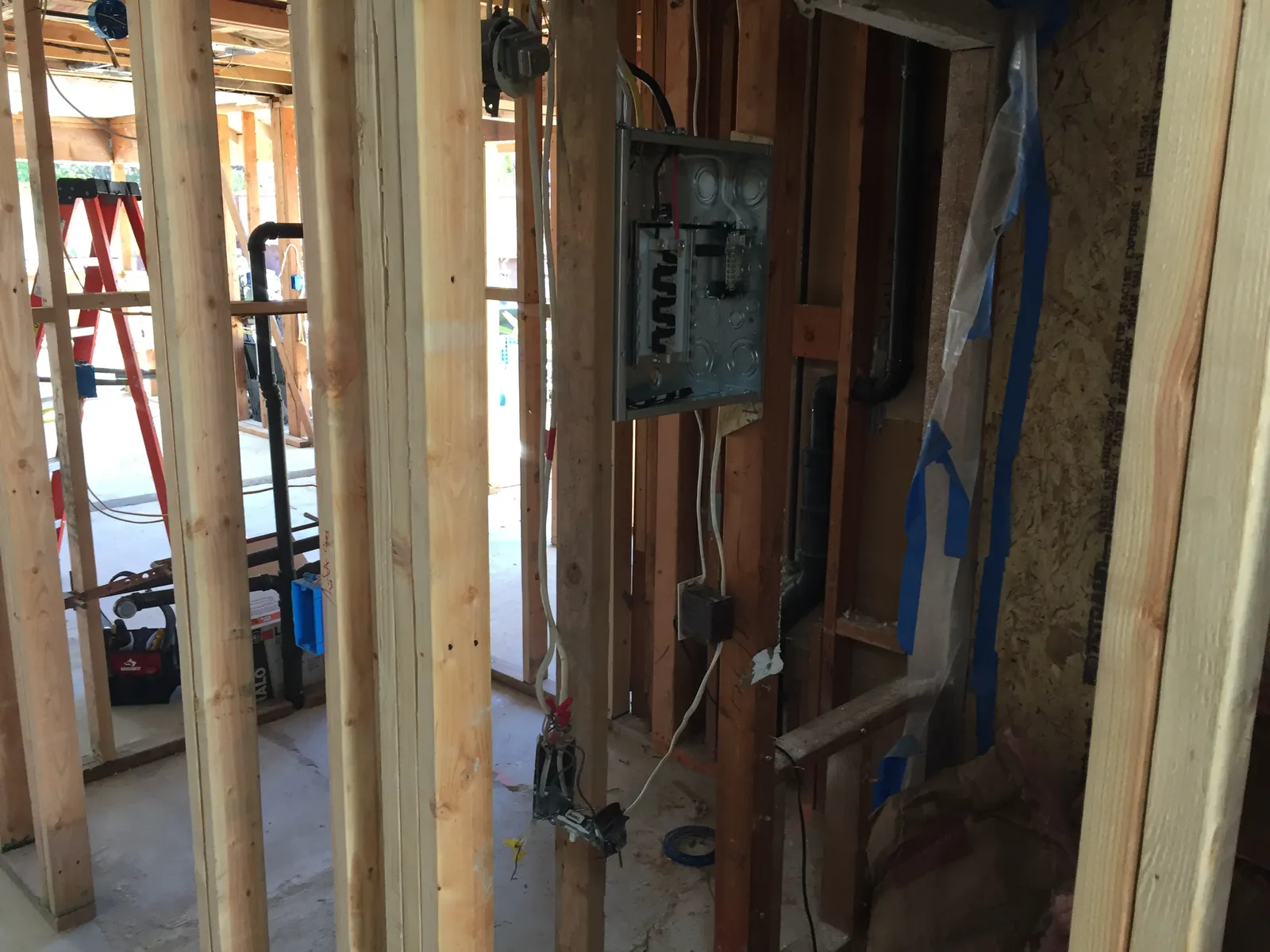
There's a psychological turning point in every remodel, and it isn't the demo day or the final walkthrough. It's the day the drywall goes up. For weeks your project has been a skeleton — studs, wires, pipes, and the organized chaos we covered in what "rough-in" means. Then, in what feels like a single afternoon, it becomes rooms again.
Homeowners often assume the project is nearly over at this point. It isn't — but it has entered a different kind of work, and knowing the sequence helps you understand why the last stretch takes the time it takes.
Taping, texture, and paint
Hanging drywall is fast. Finishing it is the craft. Seams get taped and coated, corners get beaded, and everything gets sanded — usually more than once. The level of finish you chose matters here; we wrote about the difference in Level 5 drywall and other finish grades, and this is the phase where that decision becomes visible, especially on big wall planes washed by San Diego's low winter sun.
Primer and first coats of paint typically happen now, before cabinetry arrives. That surprises people — why paint before the messy trades are done? Because it's far easier to cut in cleanly against nothing, then touch up at the end, than to paint around installed cabinets and counters.
Cabinets, then counters — with a pause between
Cabinet installation is the first day the design really lands. It's also the start of a dependency chain: counters can't be templated until cabinets are set, and fabrication takes time after templating. That built-in pause is normal, not a stall. A good schedule fills it with flooring, tile, or trim work elsewhere in the house.
Tile follows its own rhythm — layout, setting, curing, grouting, sealing. Rushing any of those steps shows forever, so we don't.
For orientation, here's the finish sequence on a typical project:
- Drywall, texture, primer, and first coats of paint
- Cabinetry, then counter templating and fabrication
- Tile and flooring
- Trim, interior doors, and custom carpentry
- Finish electrical, plumbing fixtures, and hardware
- Final paint touch-up and the punch list
The order flexes a little from project to project — flooring, in particular, moves earlier or later depending on the material — but the logic holds: each trade protects the work of the one before it.
Trim, doors, and the details that read as "quality"
Baseboards, casings, interior doors, closet systems, and any custom carpentry come next. This is slow, precise work, and it's where a home's character gets set — crisp miters, consistent reveals, doors that swing and latch the way they should. If your project includes built-ins, this is their moment too.
Then comes finish electrical and plumbing: the actual faucets, fixtures, outlets, switch plates, and lighting that were only stubs at rough-in. Hardware goes on last, after final paint touch-up.
The punch list is a phase, not a formality
The last one to two weeks of a well-run project are spent hunting small imperfections — a paint holiday behind a door, a drawer that needs adjusting, a grout line to touch up. We walk the project with a critical eye before we ever walk it with you, and then we walk it with you. It's tedious by design. The difference between a remodel that photographs well and one that lives well is almost entirely in this phase.
If you're heading into the finish stretch of your own project this winter — or planning one for the new year — it helps to work with a team that treats the sequence as seriously as the selections. That's the heart of our process. Request a consultation or give us a call — we'll walk you through every phase before the first wall opens up.
Design · Build · Integration
Let's build something beautiful.
Call (619) 334-3322 or request your free design-build consultation.