
Historic Homes in San Diego: Remodeling Within the Rules
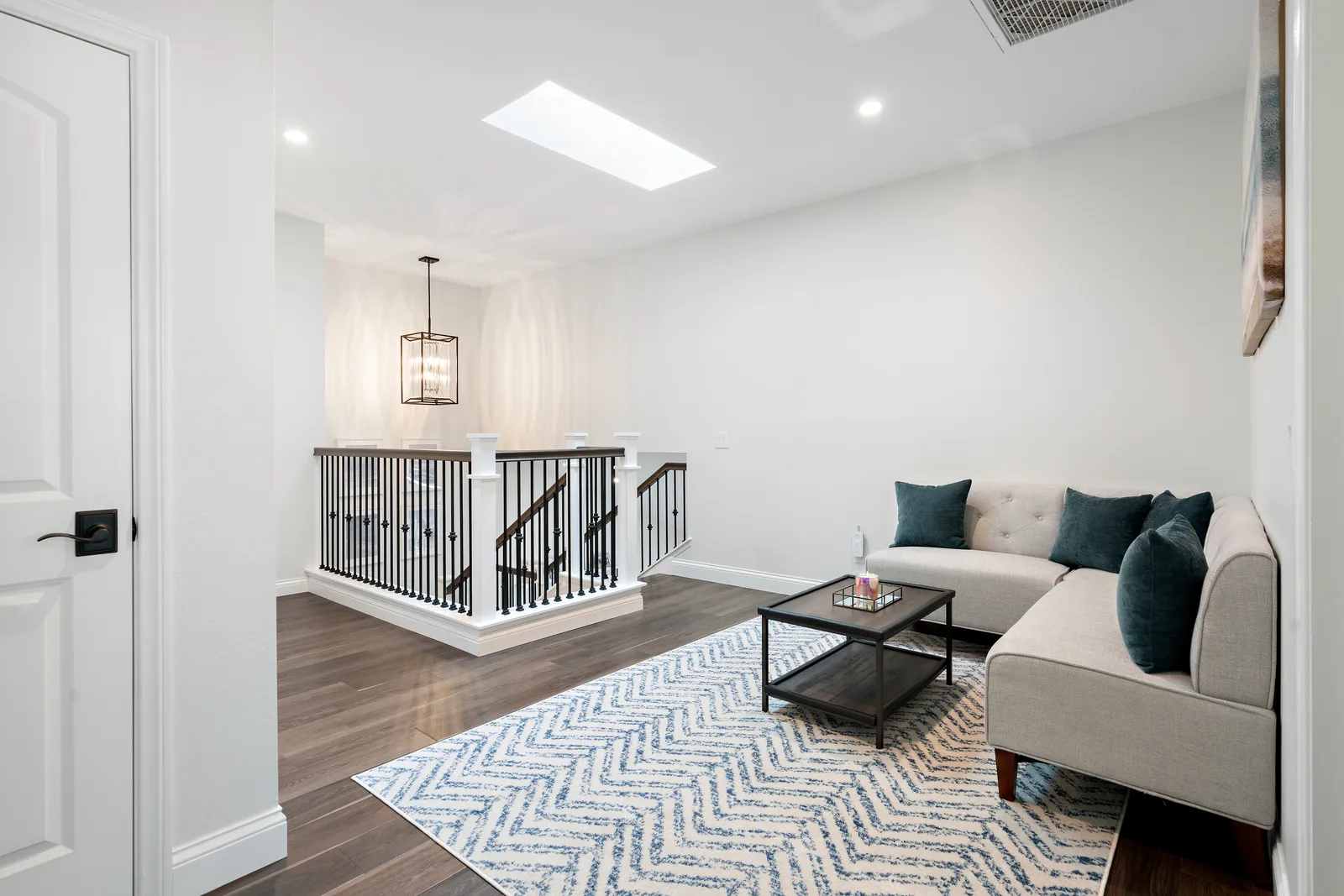
San Diego's most-loved neighborhoods — Mission Hills, South Park, Kensington, Golden Hill, parts of North Park and La Jolla — are full of houses with real pedigree: craftsman bungalows, Spanish revivals, prewar Tudors, and midcentury designs that are now old enough to earn historic attention of their own. Owning one is a joy. Remodeling one comes with an extra layer of rules, and the difference between a smooth project and a frustrating one is usually whether those rules were understood before the design began.
Here's the honest version of what historic status means for a remodel — and why it's less scary than the neighborhood rumor mill suggests.
First, find out what you actually own
"Historic" isn't one thing. Your house might be individually designated, sit inside a designated historic district as a contributing or non-contributing resource, or simply be more than 45 years old — the age at which the City of San Diego takes a closer look when significant exterior work is proposed. Each situation carries different obligations, and plenty of owners assume more restriction than actually applies. Before you fall in love with (or rule out) any design, pull the property's status. It's research we do at the very start of our process for any older home, because everything downstream depends on it.
The rules mostly live on the outside
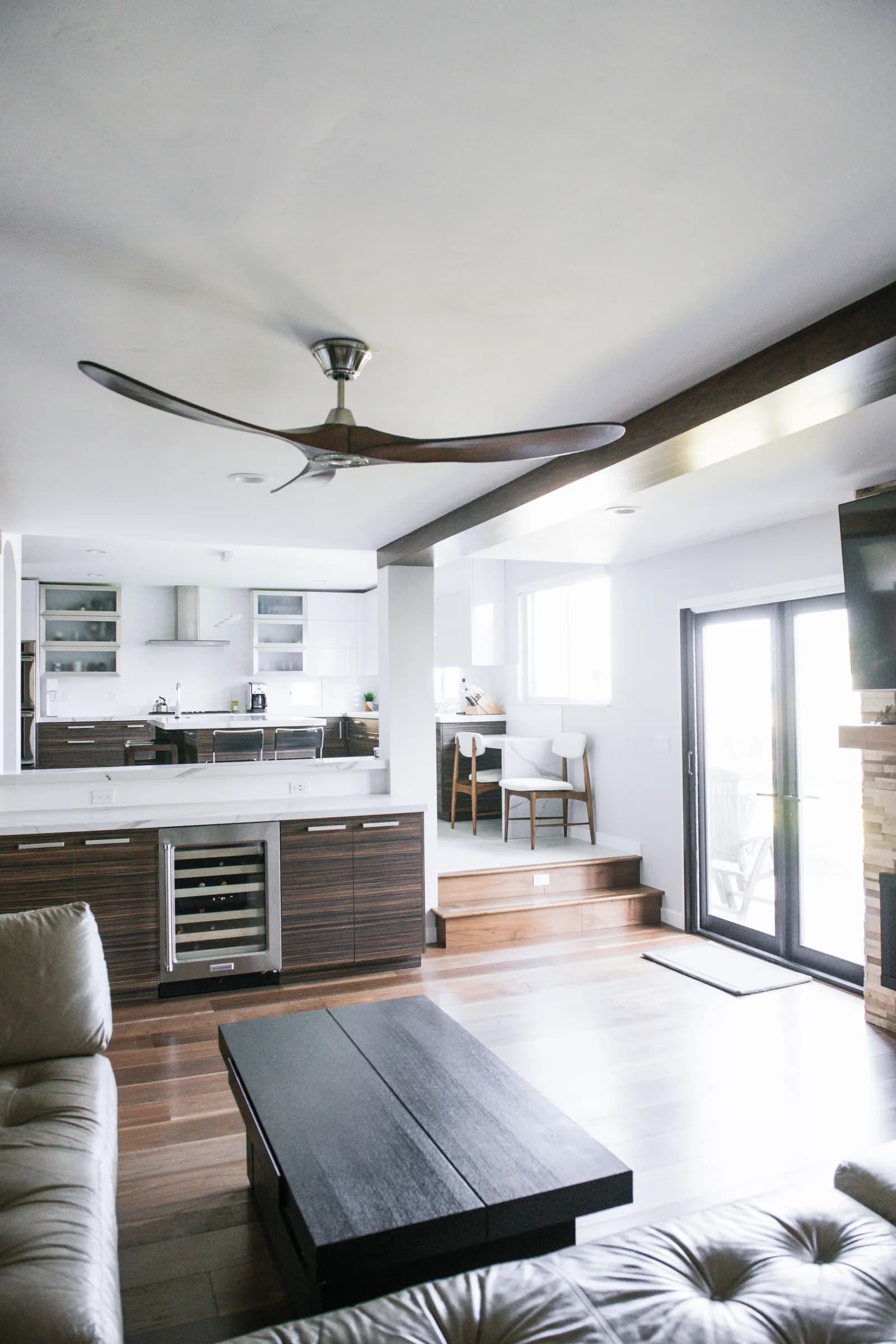
Here's the part that surprises people: historic review is overwhelmingly concerned with what the street sees. The character-defining features — rooflines, porches, original windows, exterior materials, and details visible from the public right-of-way — are what designation protects. Interiors are generally yours. That means a designated craftsman can often receive a fully modern kitchen, reworked bathrooms, even a reorganized floor plan, so long as the shell keeps its story. Even exterior changes are workable when they're sympathetic: additions tucked to the rear, materials that match the original, colors drawn from the home's era. (Getting era-appropriate color right is its own craft — one we touched on in our exterior color guide.)
Design for the review, not around it
Projects stall when owners design first and discover the rules second. The better sequence is the reverse: understand the review criteria, then design something that clears them on the first pass. In practice that means keeping additions subordinate to the original house, preserving or faithfully repairing original windows where they face the street, and documenting existing conditions thoroughly before anything is touched. Done this way, a whole-home remodel of a historic property isn't a fight with the city — it's a collaboration that usually ends with a better building than either a strict preservation or a gut job would have produced. There can even be a financial upside: some designated homes qualify for property tax agreements in exchange for maintaining their historic character, which is worth investigating with the county before you plan.
Old bones, patient timelines
One caution: historic projects reward patience. Review adds time to permitting, and matching original materials — true-divided windows, specialty tile, milled trim profiles — takes longer to source than off-the-shelf goods, especially with this year's stretched lead times. Build that into the schedule from day one and it's a non-issue; discover it in month four and it's the whole story.
If you own one of San Diego's old beauties and want to bring it into this century without sanding off its soul, tell us what you're planning. Request a consultation or give us a call — we'll help you remodel within the rules, and love the result.
Design · Build · Integration
Let's build something beautiful.
Call (619) 334-3322 or request your free design-build consultation.