
Kitchen Sinks: Single Bowl, Double Bowl, or Farmhouse?
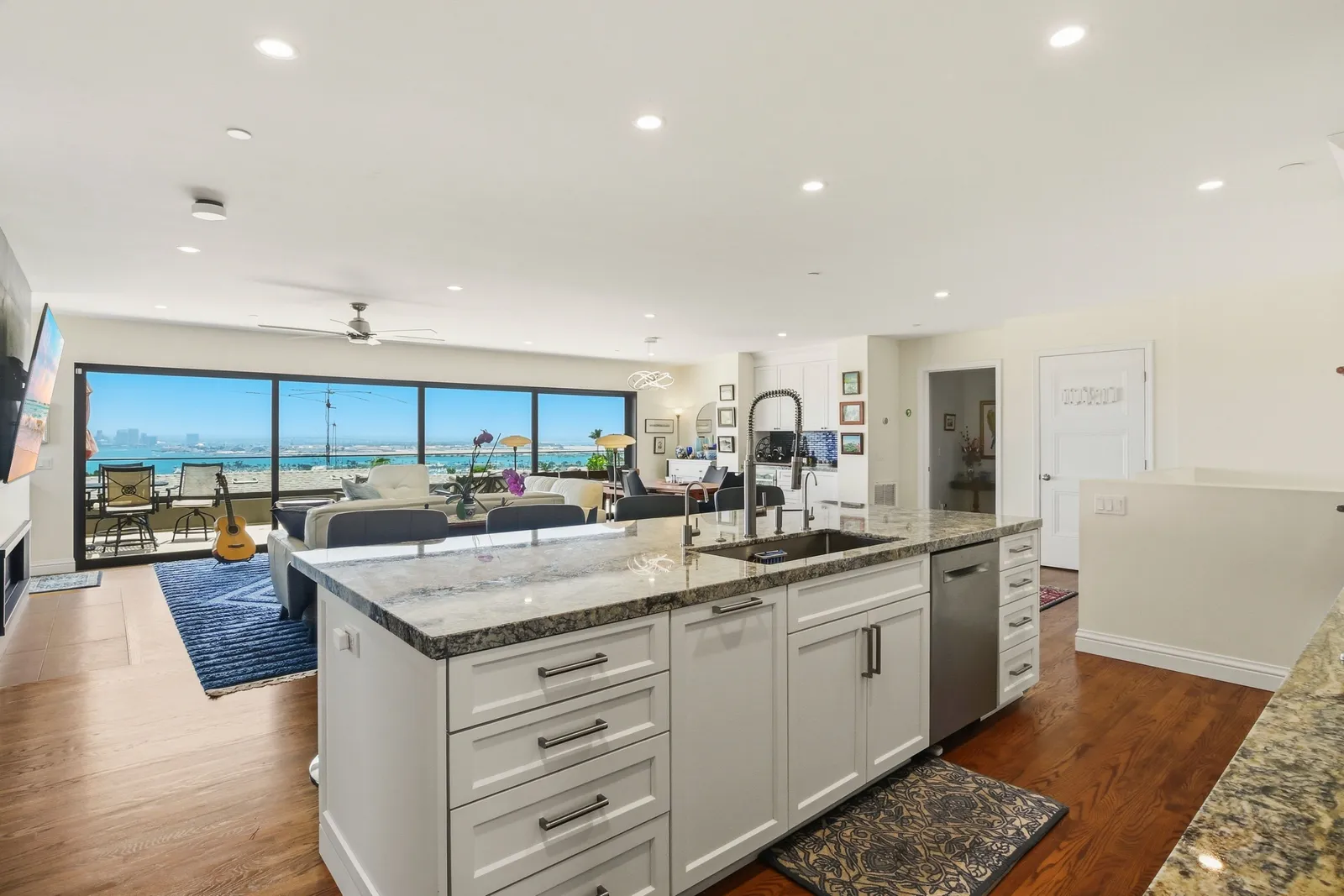
No fixture in your kitchen gets touched more than the sink, and no fixture gets chosen faster. Homeowners will deliberate for weeks over cabinet color and then pick a sink in an afternoon because the countertop template is due.
Slow down. You'll use this thing fifty times a day for the next twenty years. The bowl configuration you choose quietly shapes how you cook, clean, and share the kitchen — and unlike paint, it's not something you change on a whim.
The case for a single bowl
The big single bowl has become the default in most of our kitchen remodels, and for good reason: it's the only configuration where a sheet pan, a stockpot, and a cutting board all fit flat. If you cook in batches, roast vegetables three nights a week, or own anything cast iron, the single bowl earns its keep every single evening.
Its weakness is the flip side of its strength. One basin means one activity at a time — soaking and rinsing share the same water, and a sink full of soapy pans is a sink you can't wash lettuce in. Dishwasher-first households barely notice. Hand-washers notice daily.
The case for a double bowl
The double bowl is the classic for a reason: wash on one side, rinse or drain on the other, and a colander of strawberries never has to negotiate with last night's lasagna dish. Households with two cooks — or one cook and one dedicated cleaner-upper — often find the split genuinely civilized.
The catch is that each basin is smaller than the sum. In a 33-inch double, neither side swallows a sheet pan. If your heart wants both, two good compromises exist: a 60/40 split with one properly large basin, or our favorite for serious cooks — a big single bowl at the main station plus a compact prep sink on the island. We covered why that second station matters in designing a kitchen for serious home cooks.
The farmhouse question
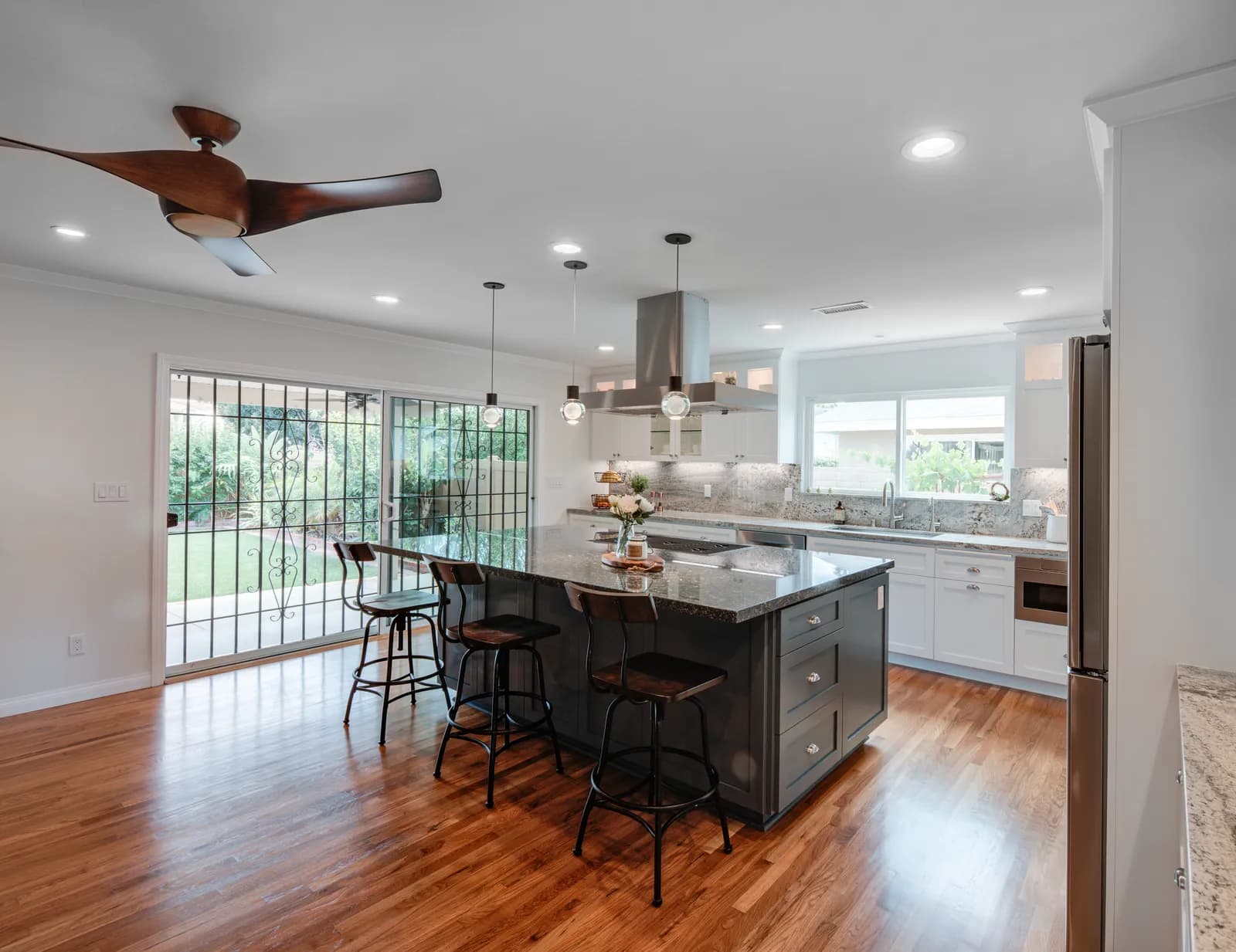
The apron-front farmhouse sink is really a style decision wearing a plumbing costume. Functionally it's usually a deep single bowl; what changes is the exposed front panel and the way it sits proud of the cabinetry. In the right kitchen — a Spanish revival in South Park, a coastal cottage in Point Loma — it's the anchor of the whole room.
Two honest cautions. First, the apron front requires a dedicated sink base cabinet, so it's a decision to make during design, not at the plumbing showroom — retrofitting one into existing cabinets is surgery. Second, that deep basin sits lower than a standard undermount, and taller cooks sometimes find a long dishwashing session leaves their lower back complaining. Stand at one in a showroom and mime washing a pot before you commit.
Material matters here too. Fireclay gives you the classic look and shrugs off scratches but is unforgiving to dropped glassware; a heavy-gauge stainless apron front reads more modern and is kinder to dishes. Both are fine choices — just make the pick with your daily habits in mind, not the photo.
How to actually decide
Strip away the trends and it comes down to a few questions:
- Do you hand-wash daily, or is the dishwasher the workhorse?
- What's the biggest thing you wash weekly — and does it fit flat?
- Is there room for a second prep sink, which dissolves the whole debate?
- Does your kitchen's architecture want the farmhouse statement, or would a clean undermount serve the design better?
There's no universally right answer, only a right answer for the way your household moves through a day. That's exactly the kind of question a design-build process is built to answer before anything gets ordered — sink, faucet, and the cabinet that holds them all decided together, on paper, while changes are still free.
Wrestling with a kitchen that fights you at the sink and everywhere else? Request a consultation or give us a call — we'll design the kitchen around how you actually cook, right down to the bowl.
Design · Build · Integration
Let's build something beautiful.
Call (619) 334-3322 or request your free design-build consultation.