
Mudrooms and Drop Zones: Small Additions That Organize Life
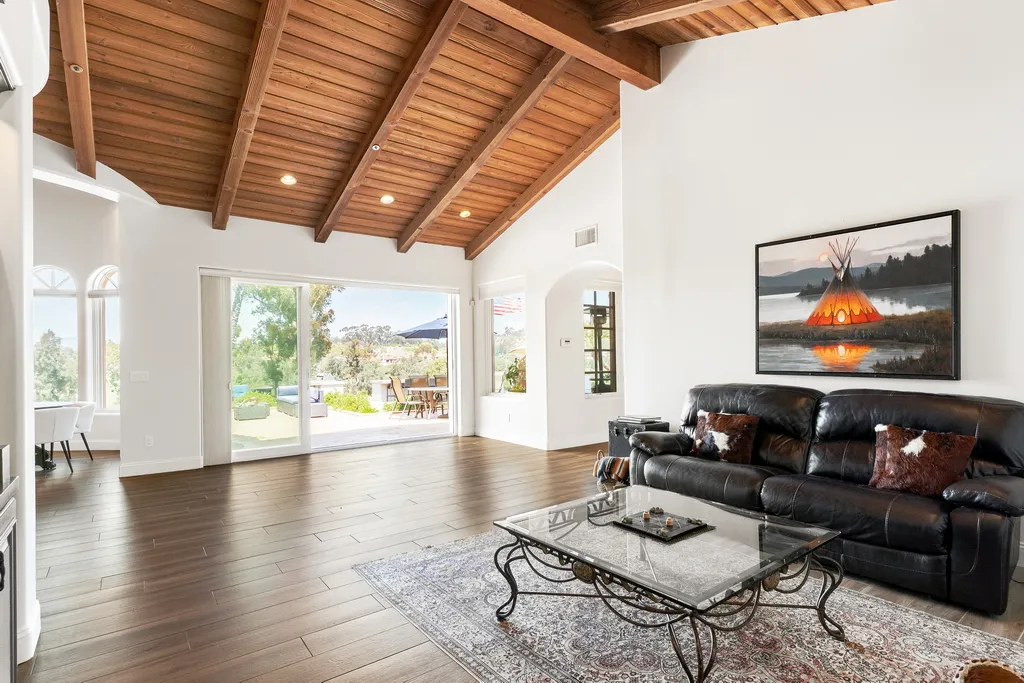
San Diego builders never really believed in mudrooms. No snow, no slush, so why waste the square footage? Walk into almost any midcentury ranch or Spanish revival in this county and the front door opens straight into the living room, and the garage door dumps you directly into the kitchen.
But anyone raising kids here knows we have our own version of mud: sand. Plus cleats, wetsuits, backpacks, dog leashes, and the pile of shoes that migrates across the entry like a slow tide. The mess isn't a discipline problem. It's a design problem — the house never gave all that stuff a place to land.
What a drop zone actually is
A mudroom doesn't have to be a room. The most useful version is often a drop zone: six to ten linear feet of purpose-built storage at whichever door your family actually uses — which, in most San Diego homes, is the garage entry, not the front door. The essential ingredients are simple:
- A cubby or locker per person, so the mess has an owner
- Hooks at two heights — adult and kid
- A bench, because shoes come off sitting down
- Closed storage up high for the stuff you don't want on display
- Durable flooring that doesn't care about sand or wet paws
Add an outlet inside one cabinet and you've created a charging station that gets phones and tablets out of the kitchen, too.
One more San Diego-specific ingredient worth considering: an outdoor rinse station just outside the door. A simple hose bib upgrade or foot-wash spigot near the garage entry means sandy feet and salty boogie boards get handled before they cross the threshold at all — the drop zone's first line of defense.
Finding the square footage
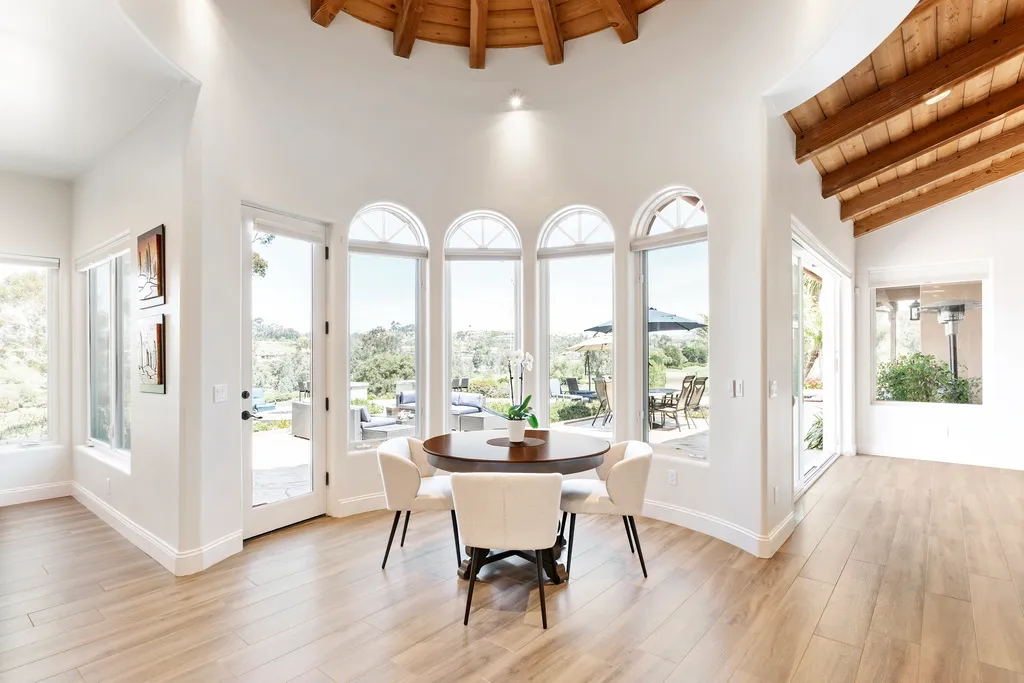
Here's the part that surprises people: most homes already have the space. A too-deep hall closet, the dead end of a hallway, a slice of an oversized laundry room, or the first four feet of the garage itself can all become a drop zone without moving a single exterior wall. This is the "reconfigure before you add" thinking we laid out in Adding Square Footage vs. Reconfiguring What You Have — and entry storage is one of the best small-scale examples of it.
When there's genuinely no space to borrow, a modest bump-out at the side or rear entry — sometimes only 25 to 40 square feet — can carry a full mudroom with a utility sink. That's small enough to feel approachable but still a real room addition, with foundation, roofline, and permits to get right, so it rewards proper design rather than a weekend framing project.
Details that separate nice from lasting
The difference between a drop zone that still works in five years and one that becomes a junk shelf is mostly detail work. Full-height dividers between cubbies so one person's avalanche stays contained. Drawers or baskets at the bottom instead of an open bench void. A doormat-level recess or tile inset so sand stops at the threshold instead of riding into the carpet. And ventilation — a damp wetsuit or rain jacket in an enclosed cubby during a March storm week will announce itself quickly.
If you're already remodeling a kitchen or laundry area, that's the moment to carve out a drop zone, because the trades are on site and the walls are open anyway. It's one of those whole-home thinking moves that costs little in the moment and pays off every single day after.
Tired of the entryway pile? Start the conversation or give us a call — we'll find the square footage your house is already hiding.
Design · Build · Integration
Let's build something beautiful.
Call (619) 334-3322 or request your free design-build consultation.