
Ocean Views and Second Stories: Know Before You Go Up
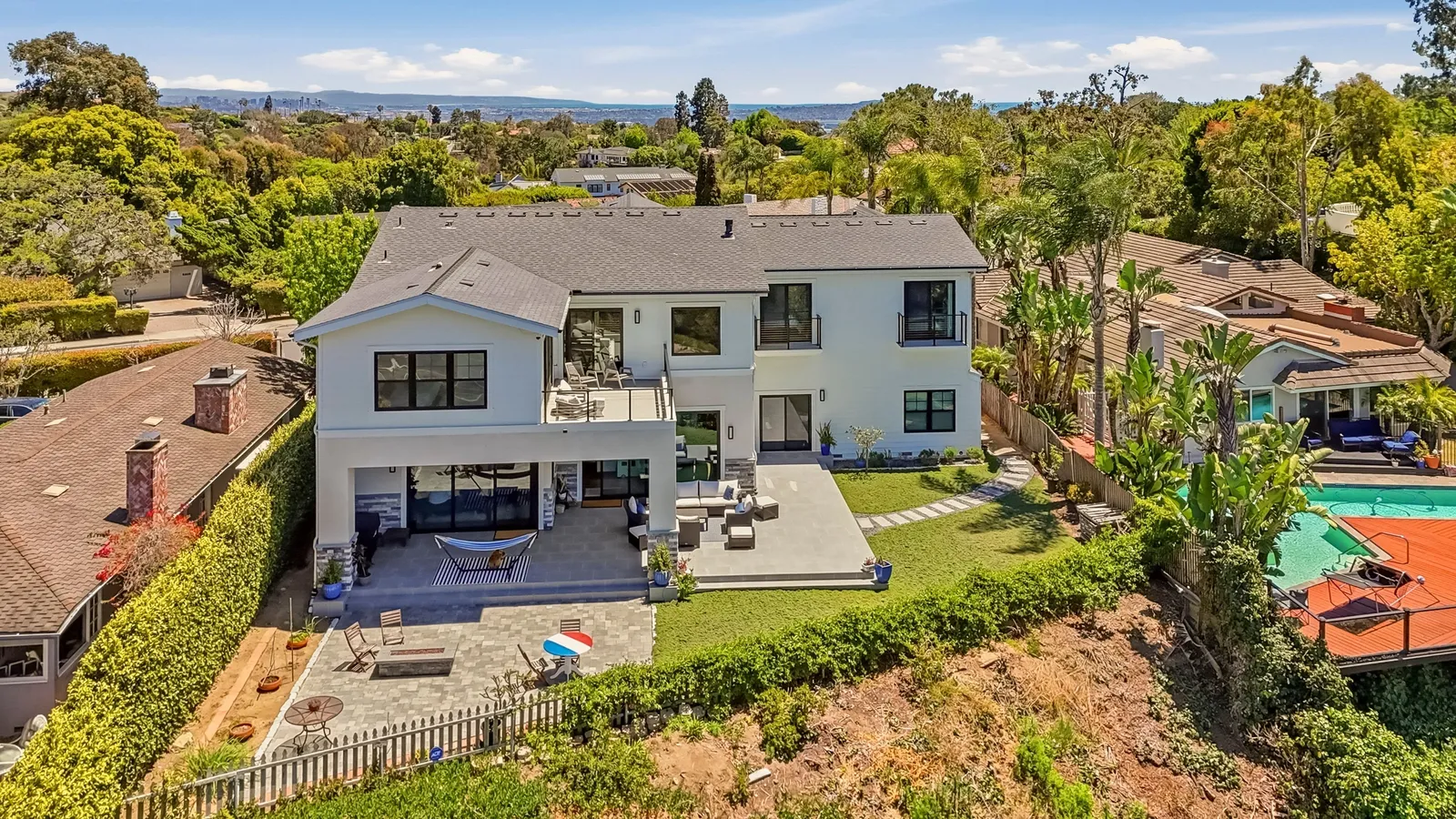
It's one of the most common opening lines we hear from homeowners in Point Loma, Pacific Beach, and the hillsides of Clairemont: "If we went up, we'd have a view of the water." Sometimes it's true, and a second story transforms both the house and what it's worth. Sometimes the view turns out to be a sliver of blue between a neighbor's chimney and a eucalyptus that's still growing.
The difference between those outcomes is knowable — before you spend a dollar on construction. Here's the homework we walk clients through when a view is part of the plan.
Prove the view exists
Never design around a view you haven't stood in. The classic method is simple and worth every bit of the effort: a ladder, a tall tripod, or story poles set at the proposed floor and window heights, checked at different times of day. What you're verifying isn't just "can I see water" but how much, from where in the room, and what else is in the frame — power lines and a neighbor's roof deck share the postcard. Remember, too, that trees grow and lots redevelop; a view over a low single-story house next door is a view someone else's remodel can take away.
Know your height limits cold
Coastal San Diego has real rules about going up. Much of the city's coastal zone carries a 30-foot height limit, some neighborhoods layer on their own overlay districts, and coastal development permits can add review time to the schedule. None of this makes a second story impossible — we design within these limits constantly — but the buildable envelope should shape the design from day one, not surprise it at plan check. We've seen homeowners sketch a dream floor plan for months only to learn the ridge height they assumed was never on the table. This is a place where sequencing the feasibility work early, the way a design-build second-story addition process does, saves months.
Ask what your first story can carry
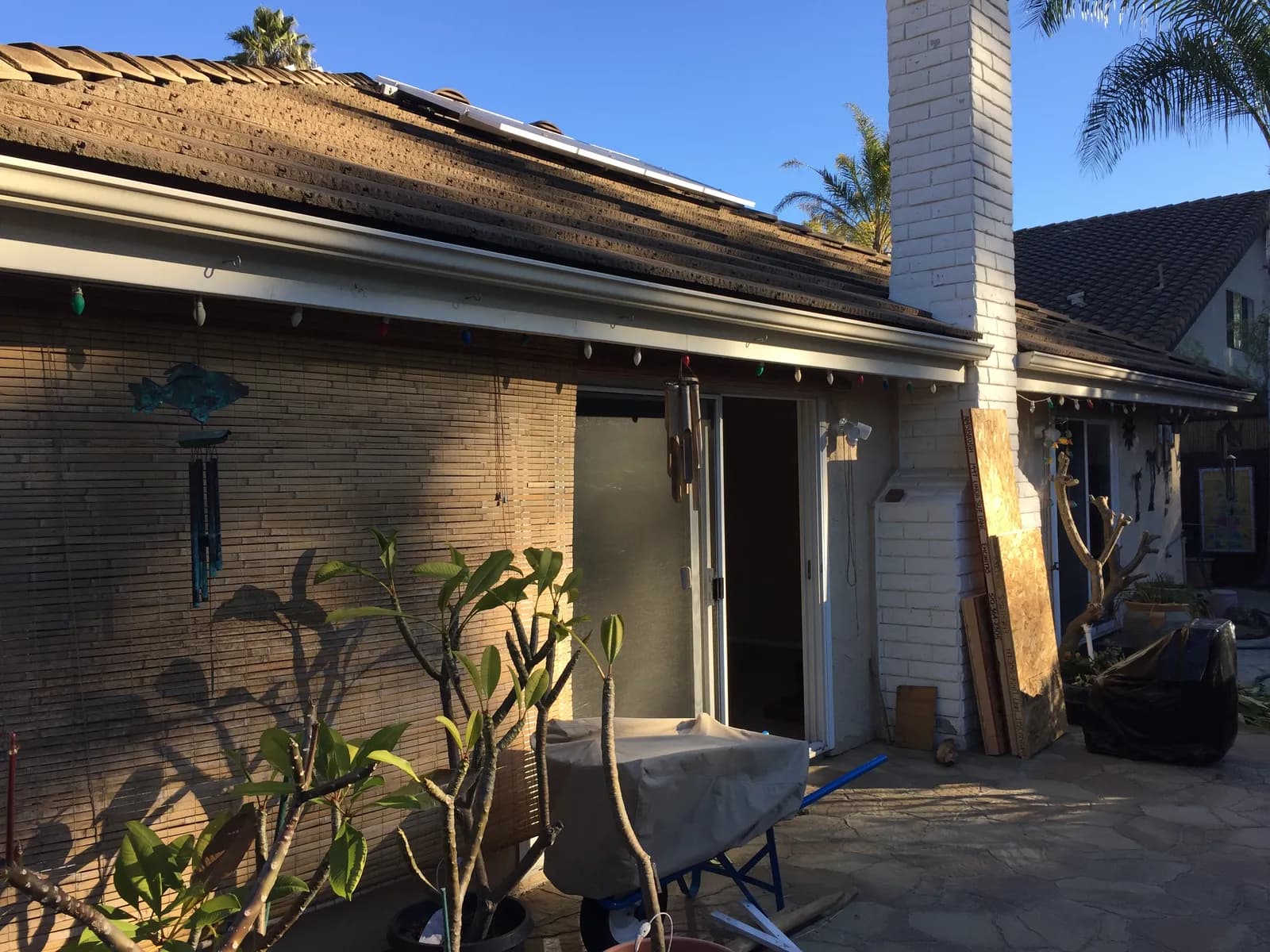
A second story isn't stacked on a house; it's carried by one. Foundations, walls, and shear elements all get evaluated, and older coastal homes — especially midcentury ranches with generous window walls facing the water — often need meaningful reinforcement below before anything goes up. Budget for that reality early. And while the framing is open, think past the view itself: a west-facing glass wall is glorious at sunset and punishing at 3 PM in September, which is why we covered orientation and shading basics as their own topic.
Weigh the view against the street
Finally, be honest about the neighborhood math. On some streets, a view-capturing second story is exactly what the market rewards; on others it can push a home well past what the block supports — the trap we described in our post on over-improving. A view you'll enjoy for twenty years may be worth it regardless. Just make that choice with open eyes.
If you suspect there's an ocean view hiding a story above your roofline, let's find out for certain before you commit. Request a consultation or give us a call — we'll help you verify the view, the rules, and the structure before the first wall opens.
Design · Build · Integration
Let's build something beautiful.
Call (619) 334-3322 or request your free design-build consultation.