
Pre-Sale Remodeling: What's Worth Doing Before You List
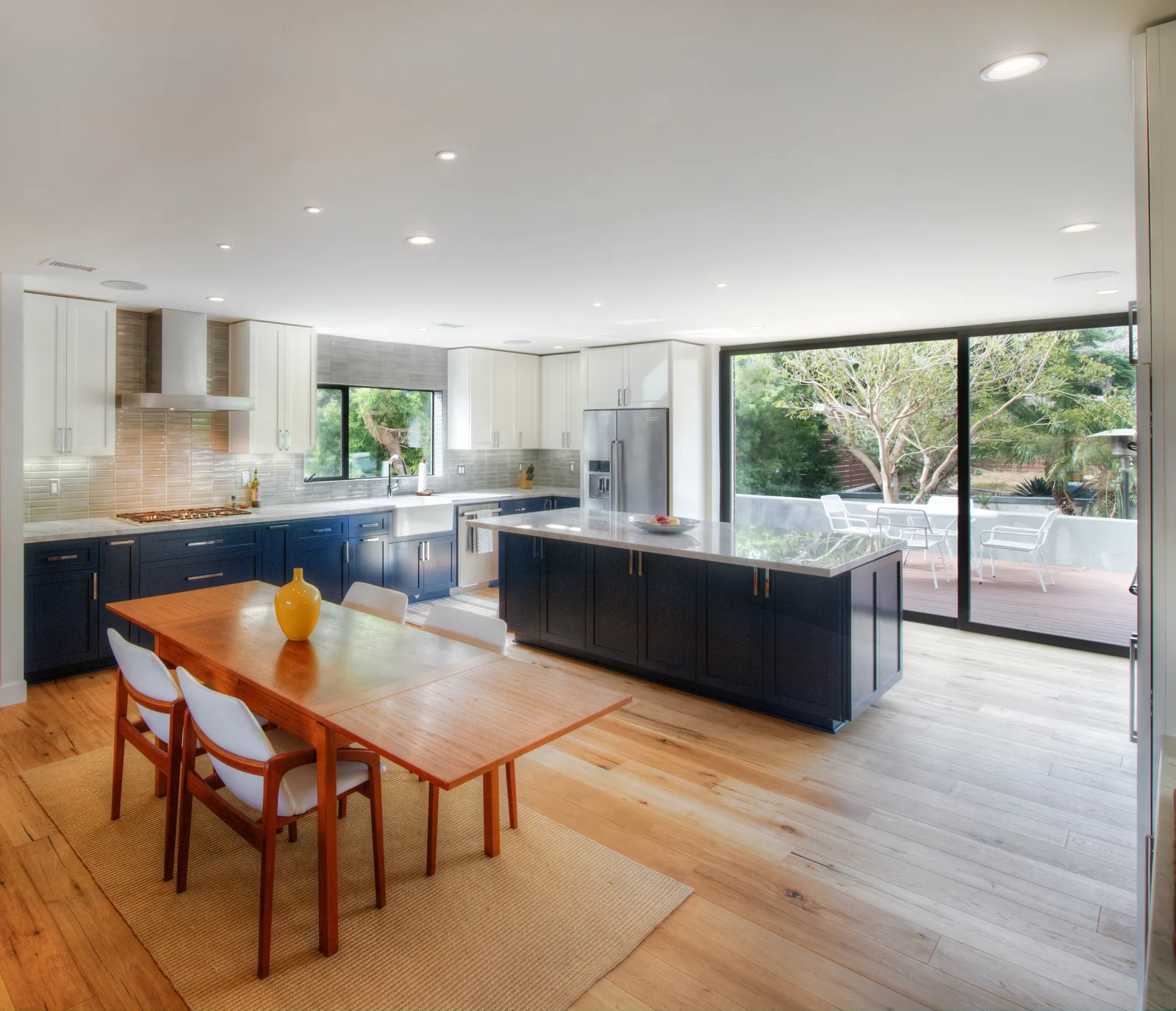
Every summer, we get a version of the same call: "We're thinking about selling next year. What should we fix first?" It's a smart question, because the honest answer isn't "everything" — and it isn't "nothing," either. Some pre-sale projects return more than they cost. Others are gifts to the next owner, wrapped in your money.
The San Diego market has cooled from the frenzy of the past two years, and that changes the calculus. When homes sold in a weekend over asking, condition barely mattered. When buyers have time to be choosy, it matters a great deal.
What buyers actually pay for
Buyers pay for two things: the absence of problems and the presence of light. The absence of problems means no red flags in the inspection report — no water stains, no swollen doors, no mystery cracks, nothing that makes a buyer wonder what else is hiding. The presence of light means bright rooms, clean sight lines, and spaces a buyer can mentally move into. Notice what's not on the list: your specific taste. The bold choices you'd love living with are exactly the ones a buyer discounts.
The short list that usually pays
- Repairs before improvements. Fix everything an inspector will flag. A clean report is worth more than a new backsplash.
- Paint, inside and out. Still the highest-leverage dollar in real estate. Neutral, fresh, everywhere.
- Refresh, don't replace, the kitchen and baths. Refinished or repainted cabinets, new hardware, updated lighting and fixtures. A full kitchen remodel rarely pays back at closing what it costs — that's an investment you make years before selling, so you get to live in it.
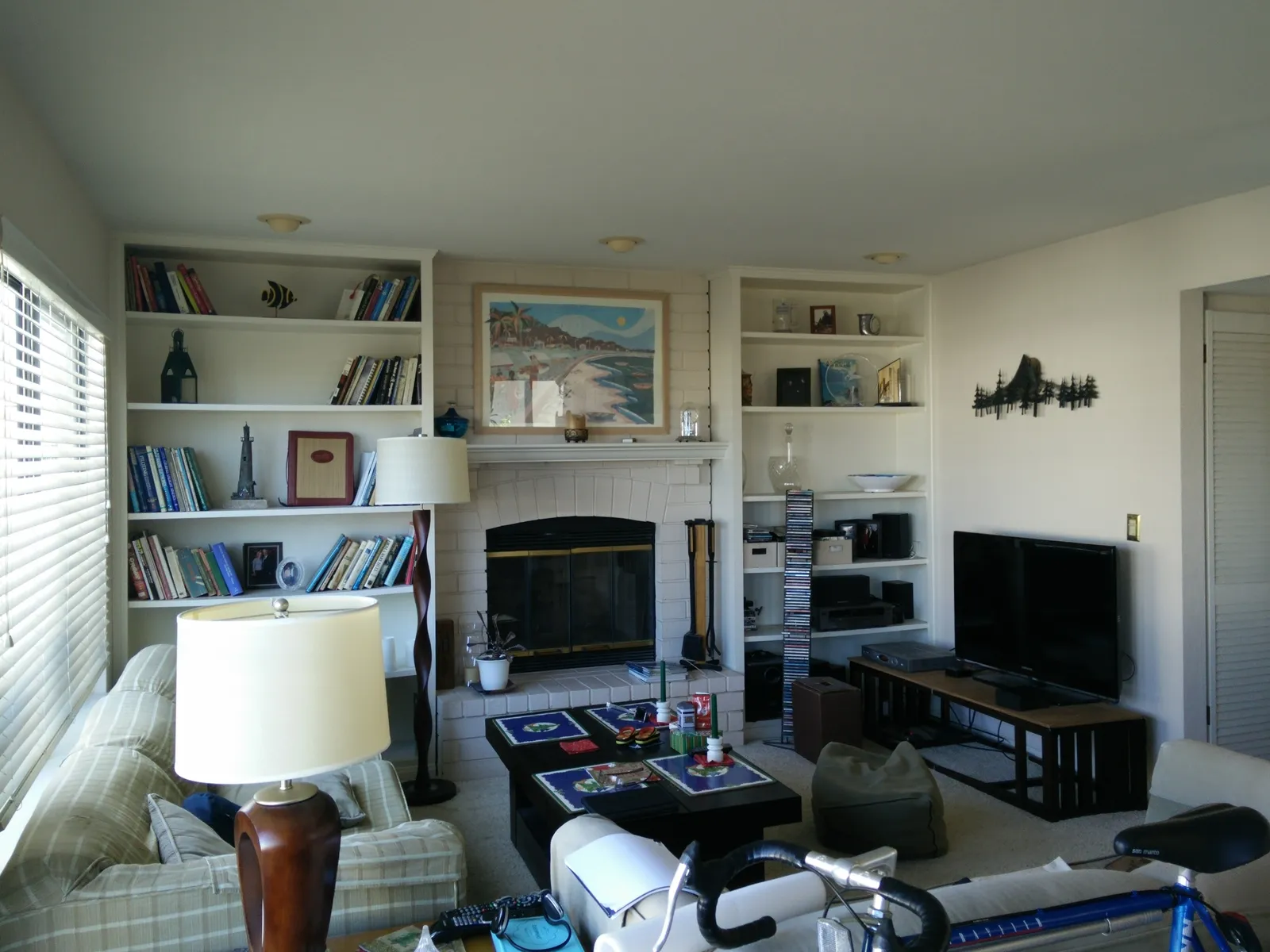
- Floors that read as one house. Replacing a patchwork of carpet and dated tile with one consistent flooring choice makes small homes feel larger and cared-for.
- Curb appeal and outdoor rooms. In San Diego, buyers shop the indoor-outdoor life. A tidy facade and a usable patio sell the climate itself.
What to skip
Skip anything a buyer can't see (upgraded systems beyond what inspection requires), anything taste-specific (statement tile, bold built-ins), and anything big enough to delay your listing by a season. A major project started for a sale is a project rushed — and as we wrote in why the cheapest bid is rarely the cheapest remodel, rushed and cheap tend to travel together, and buyers' inspectors can tell.
The question behind the question
Here's the conversation that surprises people: about a third of the "prepping to sell" homeowners we meet, once they price the move itself, decide to stay and remodel for themselves instead. If the honest reason you're selling is that the house no longer fits — not the location, not the neighborhood, just the house — it's worth running both sets of numbers before you commit to either. A remodel you'll live in for ten years is judged by a completely different standard than one judged at closing, and it's a far more forgiving one.
Either way, the right first step is the same: an honest assessment of what your house needs. Request a consultation or give us a call — tell us your timeline, and we'll tell you plainly what's worth doing before the sign goes up.
Design · Build · Integration
Let's build something beautiful.
Call (619) 334-3322 or request your free design-build consultation.