
Rewiring an Older Home: When and Why
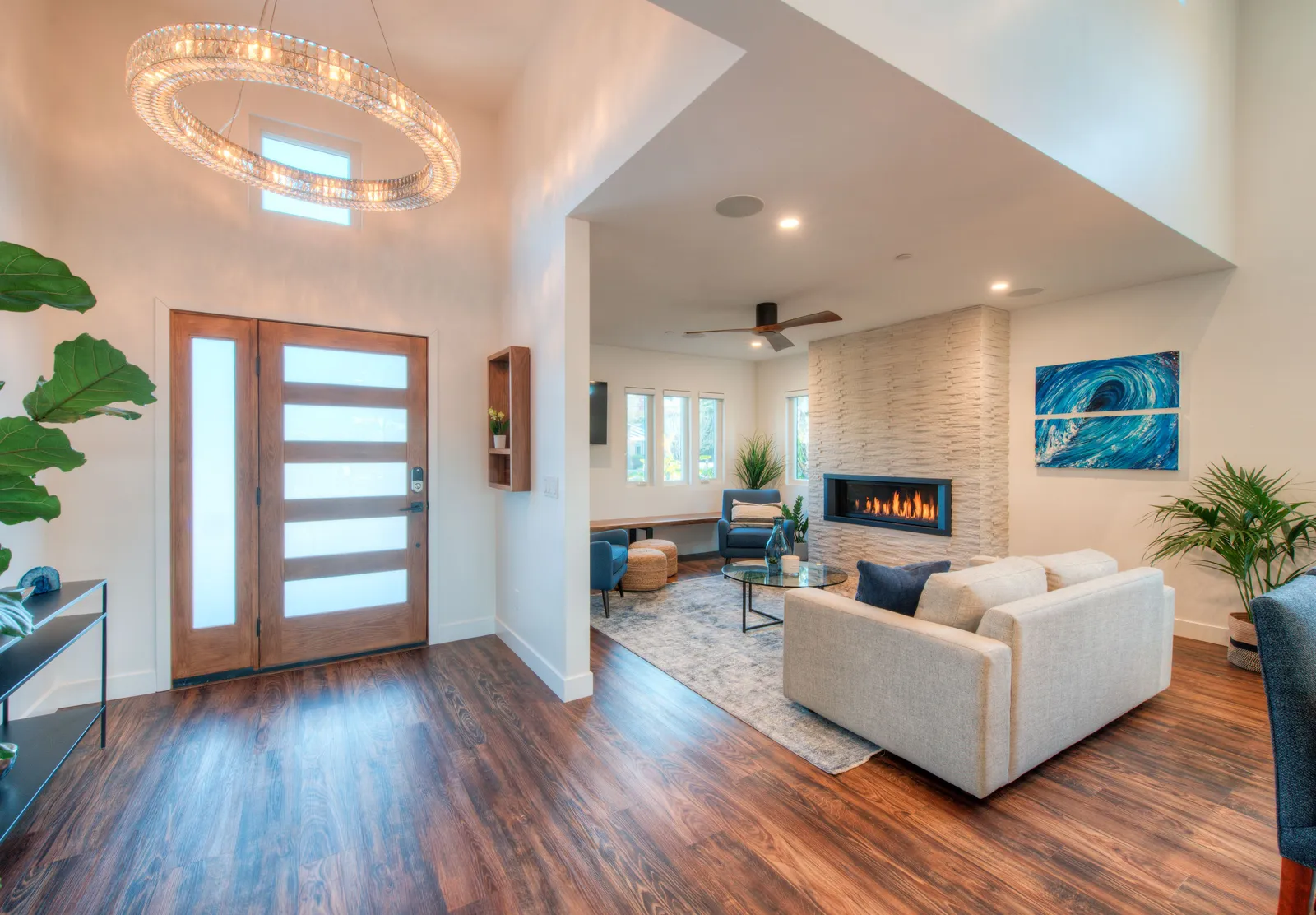
San Diego's most charming neighborhoods are also its oldest wiring. The Spanish revivals of Mission Hills and Kensington, the Craftsman bungalows of North Park, the midcentury ranches that fill Clairemont and Allied Gardens — most were wired for a household that owned one radio, a refrigerator, and a couple of lamps. Today that same house is expected to run two offices, a wall of chargers, a tankless water heater, and a kitchen full of appliances, all at once.
With so many owners choosing to stay and improve rather than trade a low mortgage rate for a new one, we're having the rewiring conversation more often than ever. Here's how to know when it's time, and why a remodel is usually the smartest moment to do it.
The signs your wiring is telling on itself
Old wiring rarely announces itself with drama. It nags. Watch for:
- Breakers that trip when the microwave and toaster run together
- Two-prong, ungrounded outlets — or outlets that are simply scarce
- Lights that dim when the HVAC or a large appliance kicks on
- A panel with fuses, or a breaker panel that's clearly out of room
- Warm switch plates, buzzing dimmers, or that faint hot-plastic smell
Homes from before the 1950s may still hide knob-and-tube or cloth-insulated wiring in the walls; many built in the 1960s and early '70s carry aluminum branch wiring. Neither is an automatic emergency, but both raise the stakes on every future project — and many insurers ask pointed questions about them.
Why a remodel is the moment to do it
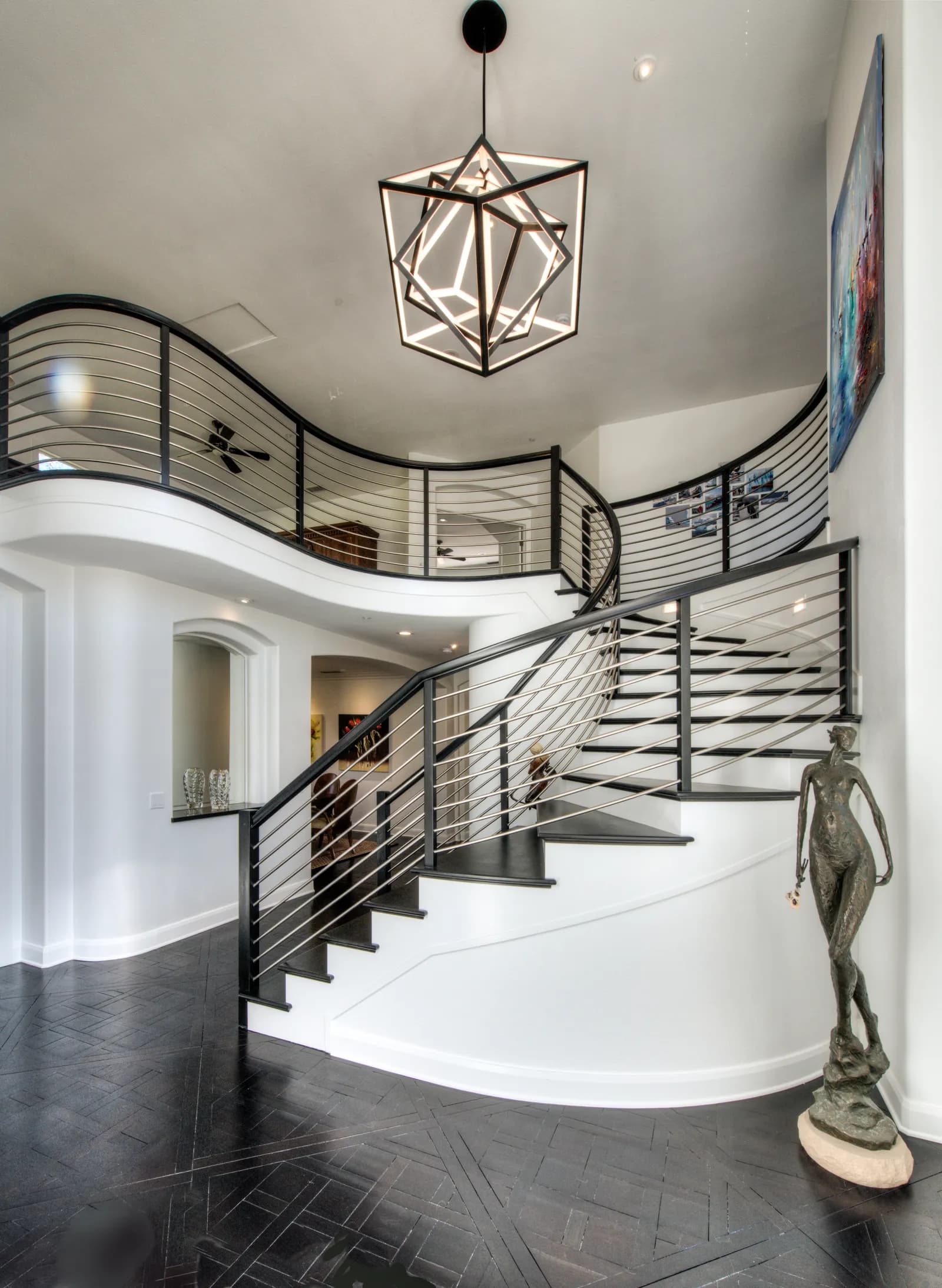
Rewiring as a standalone project means opening walls purely to close them again — you pay for drywall, patching, and paint that buy you nothing you can see. During a remodel, those walls are already open. If you're reconfiguring a kitchen, taking out a load-bearing wall, or tackling a whole-home remodel, the incremental cost of replacing old circuits while the framing is exposed is a fraction of doing it later as its own project.
There's a design payoff too. New wiring means outlets where you actually live — inside drawers for hair dryers, in the island for laptops, along the patio for string lights — and lighting designed in layers rather than a single ceiling fixture per room, an approach we walked through in our post on kitchen lighting.
What a rewire actually involves
A full rewire replaces the branch circuits running from your panel to every outlet, switch, and fixture, brings grounding up to current code, and adds the protections modern code requires — GFCI in wet areas, arc-fault protection in living spaces, tamper-resistant outlets throughout. In a remodel, electricians rough in the new runs after demolition and before insulation; the city inspects the work while it's still visible. Done in that sequence, it adds days to a project, not months.
Don't forget the panel
The panel is the other half of the story. Many older San Diego homes still run on 100-amp service — sometimes less — which was generous in 1962 and is cramped now. If an induction range, a heat-pump water heater, or an EV charger is anywhere in your five-year plans, a panel upgrade during the remodel saves you from paying mobilization costs twice. Your design-build team can run the load calculation early so the decision is made with real numbers instead of guesswork.
Old wiring is one of those problems that gets neither cheaper nor safer with time. If your home is telling on itself — or you're planning a remodel and wondering what's behind the drywall — request a consultation or give us a call — we'll help you see what's in your walls before it becomes a surprise.
Design · Build · Integration
Let's build something beautiful.
Call (619) 334-3322 or request your free design-build consultation.