
The Wet Room Trend: Is It Right for Your Home?
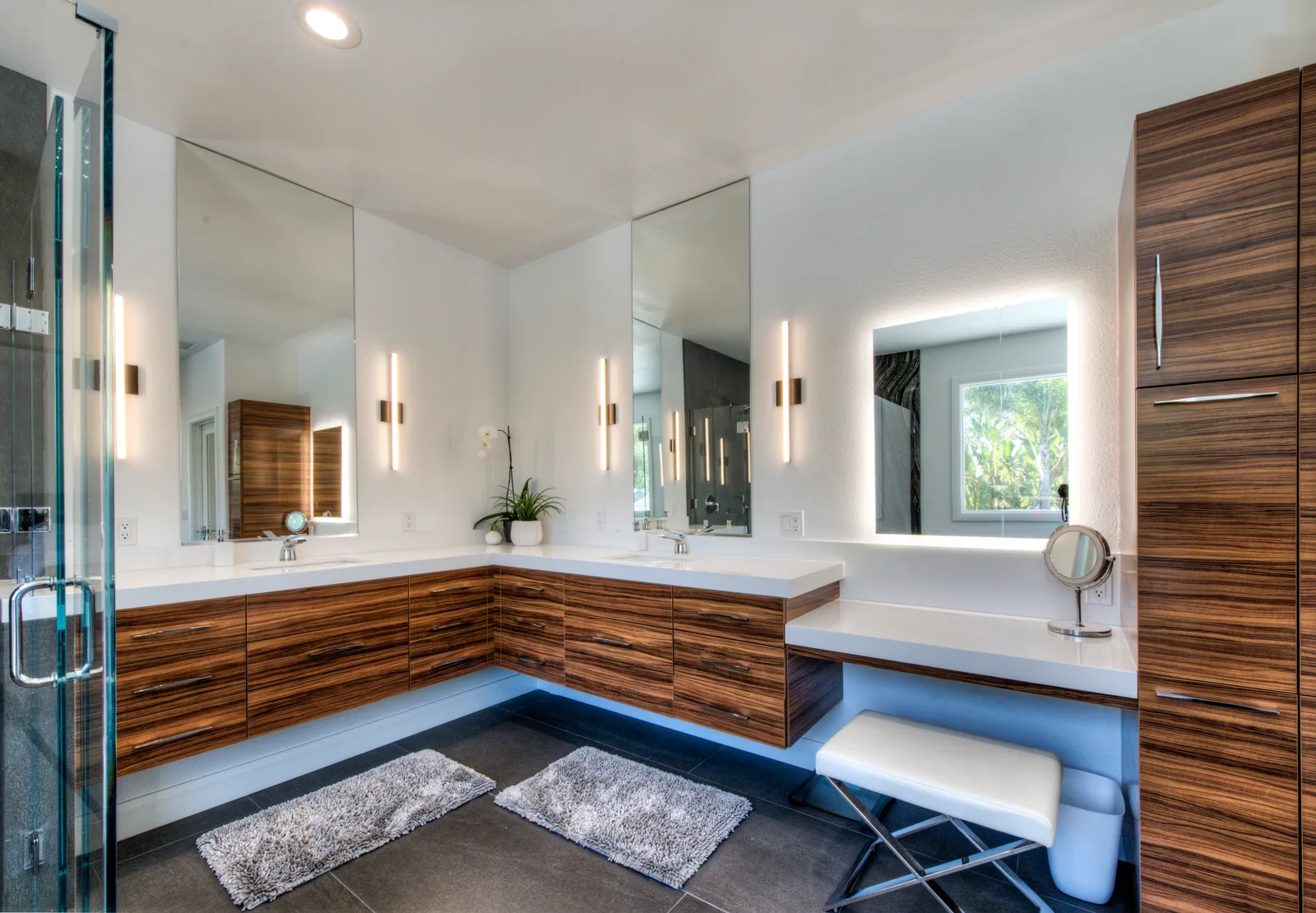
If you've browsed bathroom inspiration photos lately, you've seen it: a shower with no curb and no enclosure — or a glass panel at most — often with a freestanding tub sitting right inside the showering area, the whole floor tiled and pitched to a drain. That's a wet room, and heading into 2021 it's the bathroom question we're asked about most.
It's a genuinely good idea for some homes and some households. It's also a design that punishes shortcuts more than almost any other, so before you commit your primary bath to the look, here's the honest rundown.
What a wet room really is
A wet room treats part or all of the bathroom as one continuous waterproof zone. The floor is a single membrane-protected plane, sloped to drainage, with tile running wall to wall. Done well, the payoff is real: a small bathroom feels dramatically larger without a shower box chopping it up, cleaning gets easier with fewer tracks and frames, and the curbless entry is genuinely accessible — a quiet gift to anyone planning to age in place, or to a household with a range of mobility needs.
Where the risk hides
Here's the part the inspiration photos don't show: in a conventional bathroom, waterproofing covers the shower. In a wet room, it has to cover everything, flawlessly, because water will roam. That means a continuous membrane under the entire floor and up the walls, floor slopes designed rather than eyeballed, and drainage placed by someone thinking about where water goes when a kid aims the handheld sprayer at the ceiling.
It also means ventilation matters even more than usual. More exposed wet surface means more evaporation, and in our cool, damp winters that's how a beautiful bathroom becomes a foggy one — the exact problem we unpacked last week in Condensation, Ventilation, and the Cool-Month Comfort Problem. A wet room needs a properly sized fan the way a boat needs a bilge pump.
A good fit — and a poor one
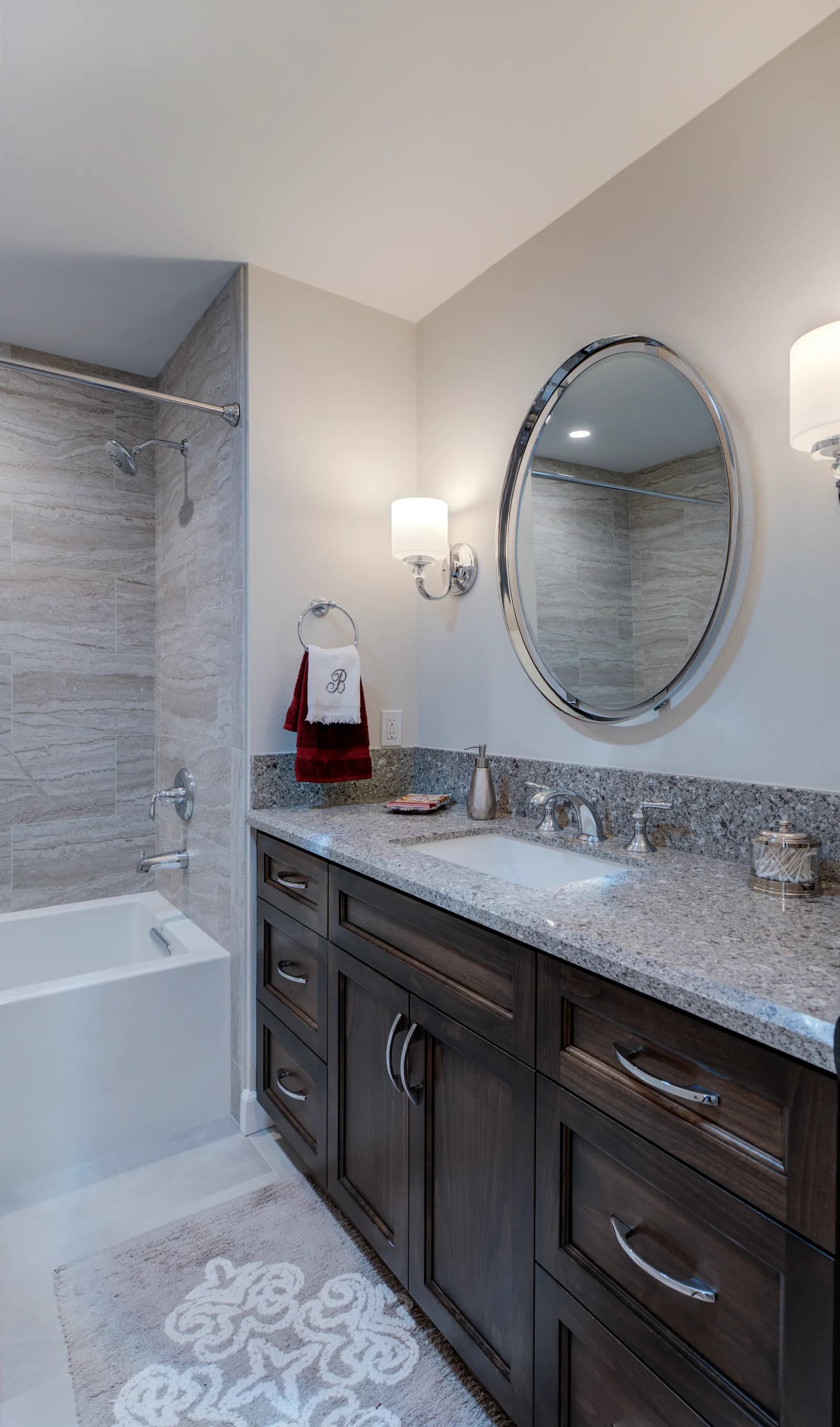
A wet room tends to reward you if your bathroom is small enough that a shower enclosure eats the room, if you want a tub and shower but can't fit both separately, or if curbless access is on your long-term list. It tends to disappoint if the bathroom is shared by people who want the toilet and vanity dry while someone showers, if you're attached to warm, water-sensitive materials underfoot, or if you're hoping to do it as a light cosmetic refresh — a true wet room is a down-to-the-studs project, full stop.
One practical 2021 note: some of the specialty drains, large-format tile, and glass panels these designs call for are running longer lead times than usual, so ordering early is part of the plan, not an afterthought.
Trend versus keeper
Our take: the wet room isn't a fad, because its best arguments — space, cleanability, accessibility — don't expire when the inspiration photos change. But it's a design you hire carefully for, because everything that makes it great lives under the tile where you'll never see it. That's true of bathroom remodeling generally; it's doubly true here.
More on this in Bathrooms Before Beach Season: The Spring Refresh.
Wondering whether your bathroom is a wet room candidate? Start the conversation or give us a call — we'll give you a straight answer for your floor plan, not the one from the photos.
Design · Build · Integration
Let's build something beautiful.
Call (619) 334-3322 or request your free design-build consultation.