
Tile 101: Porcelain vs. Ceramic vs. Natural Stone
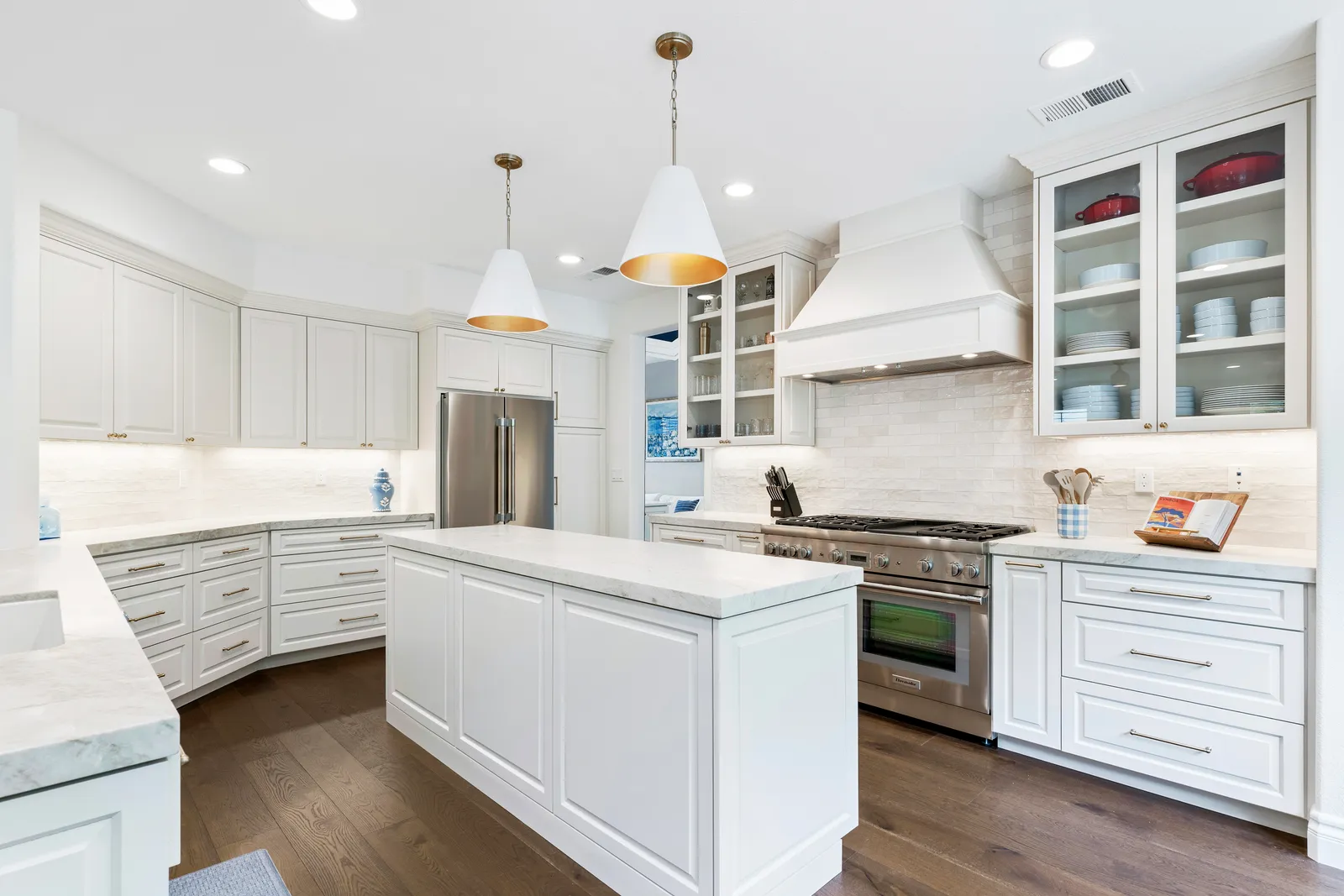
Walk into a tile showroom and you'll face a wall of samples that all look gorgeous and nearly identical. What the display doesn't tell you is that underneath the glaze, you're really choosing among three materials — porcelain, ceramic, and natural stone — and each behaves very differently once it's installed in your home. Pick by looks alone and you can end up with a beautiful tile in a job it was never built for.
Here's the plain-English version of what each one is and where it belongs.
Porcelain: the workhorse
Porcelain is ceramic's denser, tougher sibling — fired hotter and pressed harder, so it absorbs almost no water. That makes it the default choice for the hardest-working surfaces in the house: shower floors and walls, bathroom floors, entry halls, and outdoor spaces where our coastal damp and the occasional winter storm are in play. Many porcelains are colored through the body, so a chip shows far less. The trade-off is workability: porcelain is hard on blades and less forgiving to cut, which shows up in installation labor rather than the tile price. For wet rooms, it's the material we reach for most in a bathroom remodel.
Ceramic: the color specialist
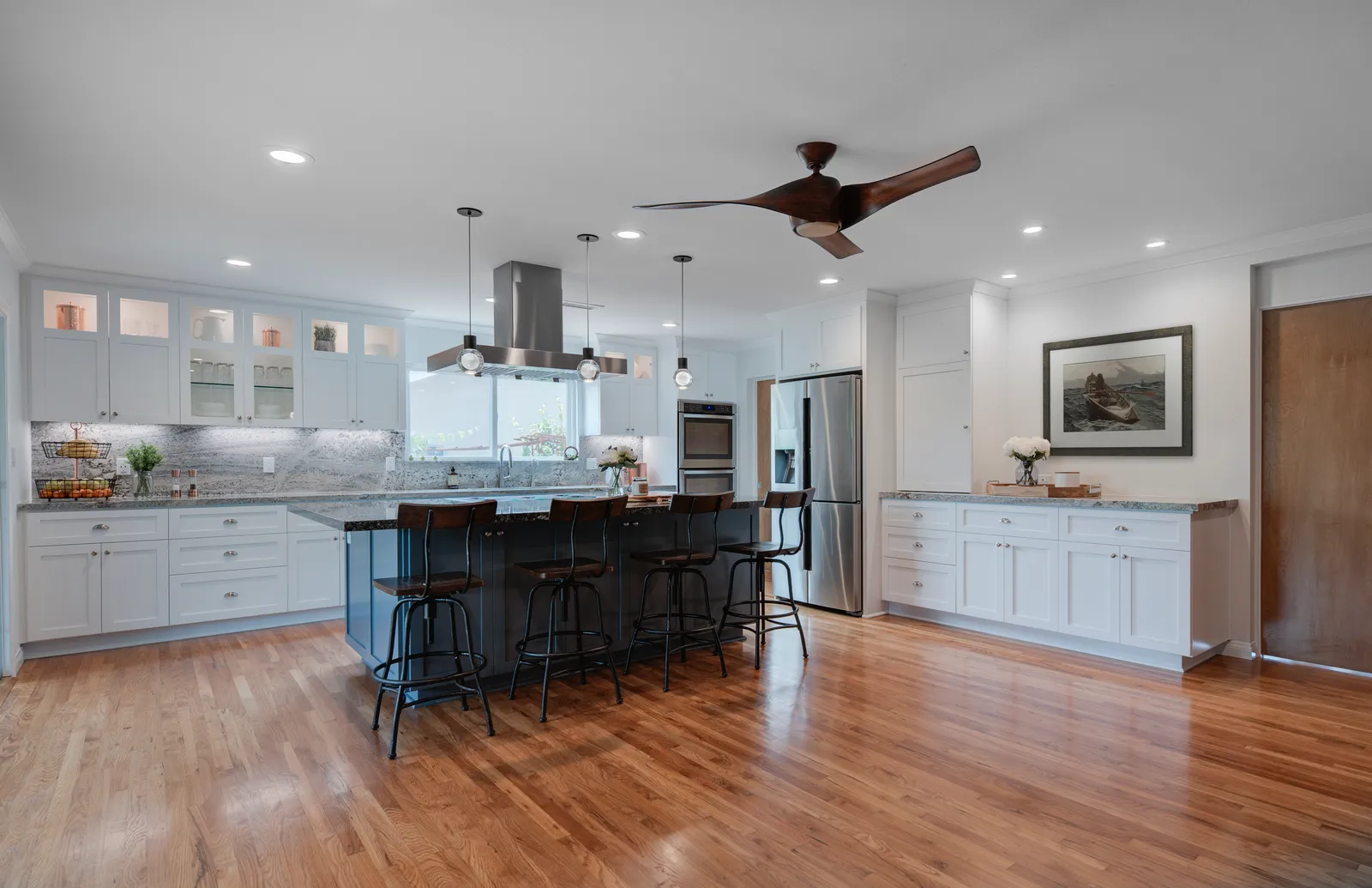
Standard ceramic is softer and more porous, which sounds like an insult but isn't — it just means it belongs on walls more than floors. Backsplashes, shower surrounds above the wet zone, wainscoting, fireplace surrounds: this is where ceramic shines, quite literally, because its glazes come in a wider, richer range of colors and hand-formed shapes than almost anything else. It's also the friendliest to cut and the gentlest on the budget. What it shouldn't do is heavy floor duty or exterior work; a glazed wall tile on a busy floor will eventually tell on you.
Natural stone: the character piece
Marble, travertine, limestone, slate — no two pieces alike, and an authenticity that manufactured tile still can't fully fake, especially in San Diego's Spanish revival homes, where stone and terracotta feel native to the architecture. The honest part: stone is a relationship. It needs sealing on a schedule, it can etch or stain, and softer stones wear visibly in high-traffic spots. Some homeowners love how it ages; others want their surfaces to look like day one forever. If you've read our take on choosing kitchen counters, it's the same trade — character versus carefree — playing out underfoot and on the walls.
Matching the tile to the job
A few rules of thumb we use on every project:
- Shower floors want small tiles — mosaics give you slope and grout lines for grip.
- Anything outdoors or perpetually damp should be porcelain with a real slip rating.
- Walls are for falling in love — this is where ceramic and stone can be purely about beauty.
- Buy extra — a spare box from the same production run is cheap insurance against a future repair that almost matches.
And remember that the tile is only half the story: waterproofing, layout, and details like the niches, benches, and ledges inside a shower determine whether the finished room feels custom or merely covered.
For a deeper look, see Choosing Kitchen Flooring That Survives Real Life.
Choosing among a few hundred beautiful options is a lot easier with someone who knows how each one behaves ten years in. Request a consultation or give us a call — bring your inspiration photos, and we'll match the material to the job.
Design · Build · Integration
Let's build something beautiful.
Call (619) 334-3322 or request your free design-build consultation.