
Unpermitted Work: How It Haunts Home Sales — and How to Fix It
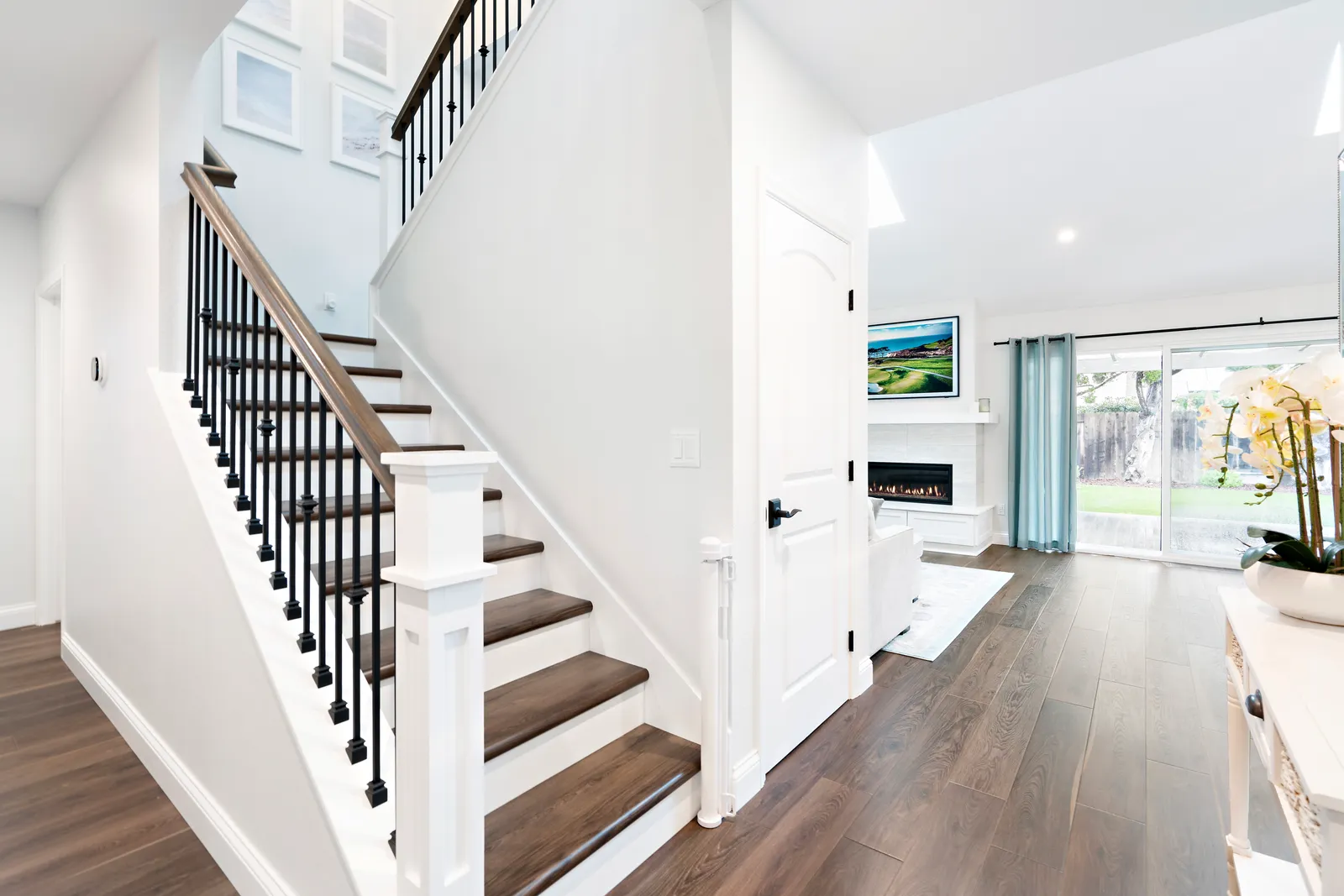
It usually surfaces at the worst possible moment. A homeowner lists their house, the buyer's agent pulls the permit history, and the numbers don't match: the county records show three bedrooms, but the listing says four. Somewhere in the past — maybe decades before the current owner bought the place — somebody enclosed a patio, converted a garage, or finished an addition without ever pulling a permit.
In San Diego's older neighborhoods, this is remarkably common. Midcentury ranches in Clairemont and Allied Gardens, bungalows in Normal Heights, beach cottages that have been "improved" by five successive owners — a meaningful share of them carry some square footage the city has never heard of.
What unpermitted work actually costs you
The problem isn't that anyone goes to jail. It's friction, and it compounds at exactly the moments you can least afford it:
- At sale time, California law requires sellers to disclose known unpermitted work. Buyers negotiate the price down, demand fixes, or walk.
- With appraisers and lenders, unpermitted square footage often can't be counted toward value — so you may not get paid for space you paid to build.
- With insurance, damage tied to unpermitted work can complicate or jeopardize a claim.
- With the city, a complaint or an unrelated permit application can put the old work on an inspector's radar, turning a quiet problem into a formal one.
There's also the part that matters even if you never sell: nobody ever verified that the work is safe. Undersized framing, overloaded circuits, and missing fire separation are exactly the things permits exist to catch.
How legalization actually works
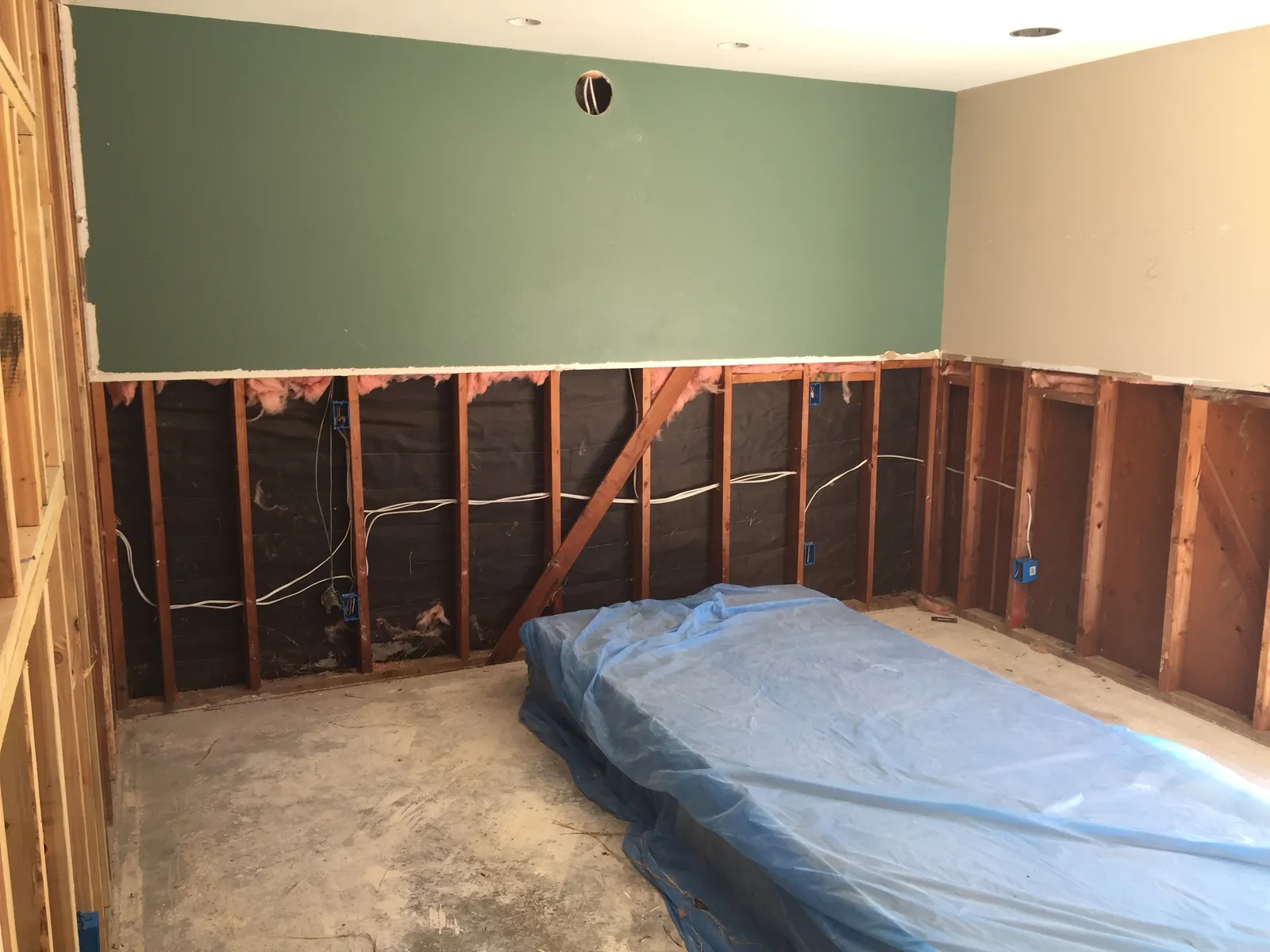
The fix has a name — legalizing as-built construction — and it's more routine than most homeowners fear. The broad strokes: a designer documents the existing work in as-built plans, the city reviews them against current code, and an inspector verifies the construction, which usually means opening up sections of drywall so framing, wiring, and plumbing can be seen. Whatever falls short gets corrected, and the space becomes legal, on the record, and countable.
Sometimes the news is good — the original work was done competently and needs only modest corrections. Sometimes it wasn't, and you're grateful someone finally looked. Either way, you exit the process with certainty instead of a disclosure problem.
One genuinely helpful development: California's ADU laws have created a friendlier path for one of the most common offenders, the converted garage. Work that would have been a headache to legalize as a bedroom may now qualify for legalization as an accessory dwelling unit — turning an old liability into rentable, valuable square footage.
When to deal with it
The best time is before you're forced to — ideally as part of a remodel you already want. If walls are opening anyway, folding legalization into the project is dramatically simpler than doing it as a standalone scramble during a sale. It's one of the first things we investigate during our design and pre-construction process, and if your home sits near the shoreline, the review can interact with coastal rules too — see our coastal permits explainer.
You might also enjoy What to Expect the First Week of Your Remodel.
If you suspect your home has a ghost in its records, don't wait for an escrow to find it. Request a consultation or give us a call — we'll help you find out what's really on file and map the cleanest path to making it right.
Design · Build · Integration
Let's build something beautiful.
Call (619) 334-3322 or request your free design-build consultation.