
Why Permit Timelines Vary So Much Across San Diego County
Two neighbors compare notes over the fence. One pulled a permit for a kitchen remodel and had approval in a few weeks. The other has been waiting months for a similar project a few miles away. Neither of them did anything wrong — they just live in different jurisdictions, and in San Diego County, that can matter more than the project itself.
It's one of the most common frustrations we hear during first conversations, so let's demystify it. Permit timelines aren't random. They vary for reasons you can understand — and, with the right planning, work around.
One county, eighteen cities, dozens of rulebooks
"San Diego" is really a patchwork. The City of San Diego has its own development services department, its own review queues, and its own staffing realities. Carlsbad, Encinitas, La Mesa, Chula Vista, Poway — each incorporated city runs its own counter, and unincorporated communities like Ramona or Fallbrook go through the county itself. Two identical room additions can land in completely different systems with different submittal requirements, different plan-check cycles, and different backlogs.
This is why a friend's timeline in another zip code tells you almost nothing about yours. The first question isn't "how big is the project?" It's "who reviews it?"
Scope changes the queue you stand in
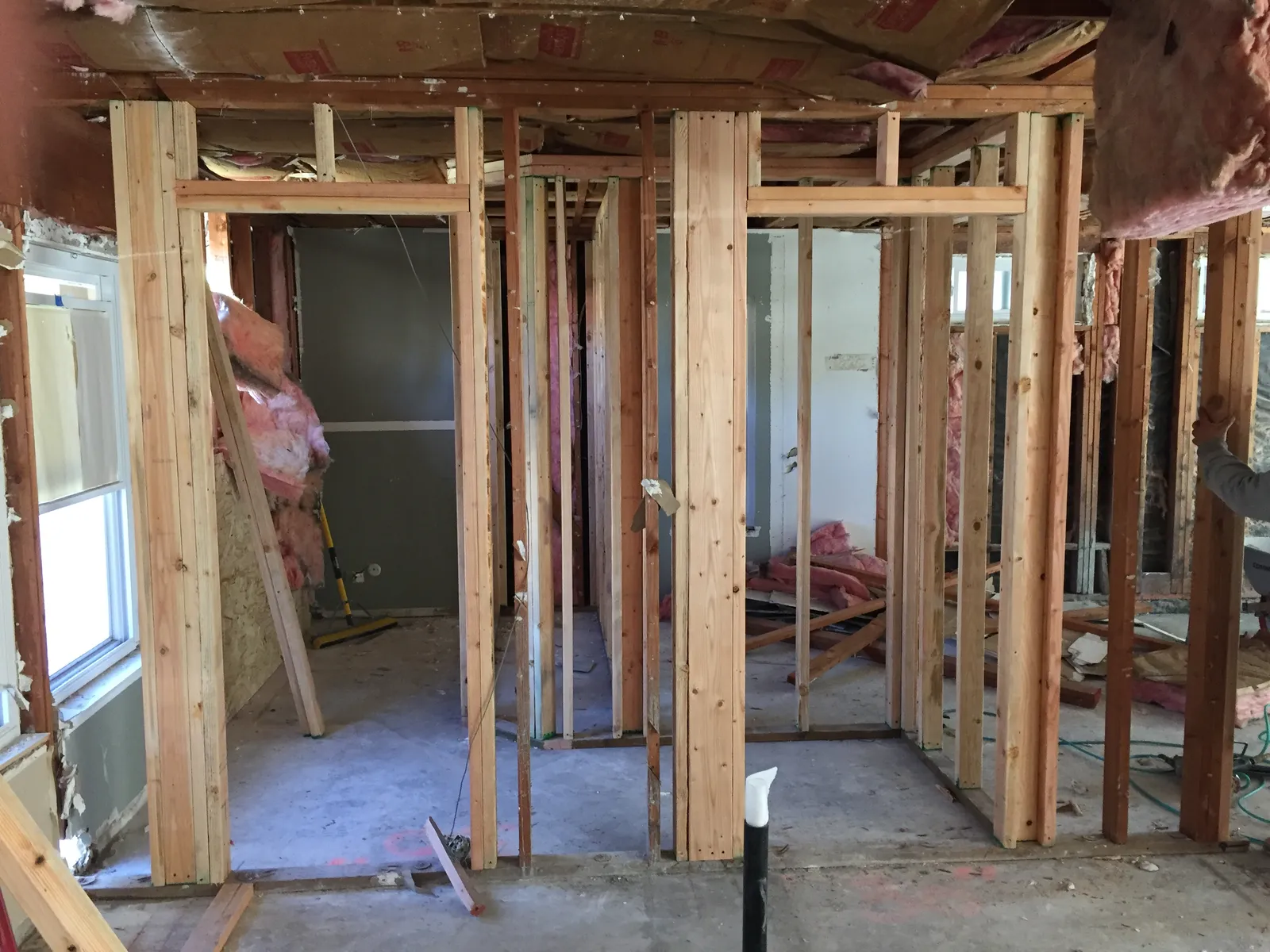
Within any one jurisdiction, the nature of the work determines the review path. Many cities offer same-day or over-the-counter approval for simple like-for-like work — a water heater swap, a straightforward bathroom refresh with no wall changes. Move a wall, touch structure, add square footage, or change the roofline, and you enter full plan check, where structural, energy, and sometimes fire review each take their turn. A room addition or second-story project will always sit in a longer queue than a pull-and-replace kitchen, no matter which city you're in.
Overlays: the multipliers most homeowners don't see coming
Then there are the overlays — extra layers of review triggered by where your house sits, not what you're building:
- Coastal zone. Anything near the shoreline may need coastal review on top of the building permit. We covered this in depth in our post on coastal permits near the San Diego shoreline.
- Historic districts and age thresholds. Older homes in neighborhoods like Mission Hills or South Park can trigger historical review before plans are even accepted.
- Hillside, brush, and fire zones. Slope lots and homes near canyon edges — common from Del Cerro to Scripps Ranch — add geotechnical or fire-access requirements.
Any one of these can add weeks or months. Two of them together is why some projects seem to take forever compared to a flat-lot remodel inland.
What a design-build team does about it
You can't make a city move faster, but you can stop giving it reasons to slow down. Most permit delay isn't the city sitting on plans — it's correction cycles: a submittal goes in incomplete, comments come back, revisions go in, and each round-trip costs weeks. Complete, well-coordinated drawings that anticipate what each reviewer will ask for is the single biggest timeline lever there is, and it's a core part of our process. We also sequence the work so design decisions and material selections happen during plan check rather than after it, so approval day is a start date, not the beginning of another waiting period. If you want to see how those phases stack, our guide to reading your remodeling schedule walks through it.
June gloom will burn off on its own schedule; your permit doesn't have to. If you're weighing a project and want a realistic timeline for your specific address — city, overlays, and all — request a consultation or give us a call — we'll tell you what the road to approval actually looks like before you commit to anything.
Design · Build · Integration
Let's build something beautiful.
Call (619) 334-3322 or request your free design-build consultation.