
Baseboards, Casings, and Crown: Trim That Finishes a Room
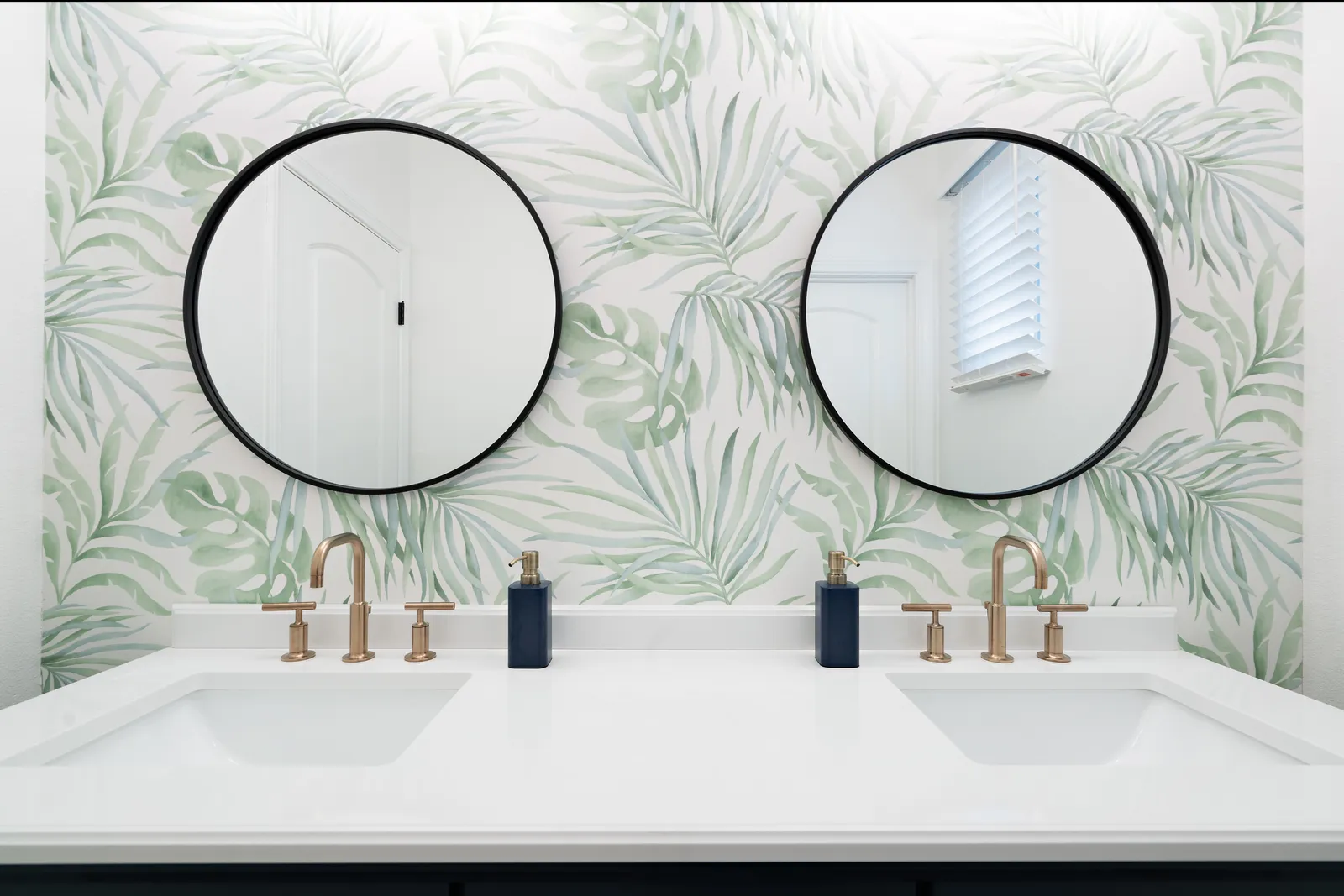
Walk into a freshly remodeled room that feels vaguely unfinished, and nine times out of ten the culprit isn't the paint or the flooring. It's the trim — too skinny for the ceiling height, the wrong profile for the house, or joints that don't quite meet. Trim is the frame around everything else you paid for, and it's routinely the last thing anyone thinks about.
The reverse is also true. Get the baseboards, casings, and crown right, and even a modest room reads as considered and complete.
Baseboards: scale before style
The most common trim mistake in San Diego remodels is reinstalling the builder-grade three-inch baseboard out of habit. As ceilings have gotten taller and doors have gotten bigger, baseboards need to keep up: rooms with eight-foot ceilings can carry a base in the five-inch range, and nine- or ten-foot rooms want more. Profile matters less than proportion — a simple, flat-stock base in the right height beats an ornate one that's too small.
Casings: the handshake between wall and opening
Door and window casings do more work than people realize, because you see them at eye level all day long. The key is consistency: pick one casing language and carry it through the whole house. A Spanish revival in Kensington can go minimal — even plastered openings with no casing at all — while a craftsman bungalow wants substantial flat casings with a proper head piece. Mixing eras is what makes a remodel feel like a remodel instead of a house.
Crown: optional, and that's fine
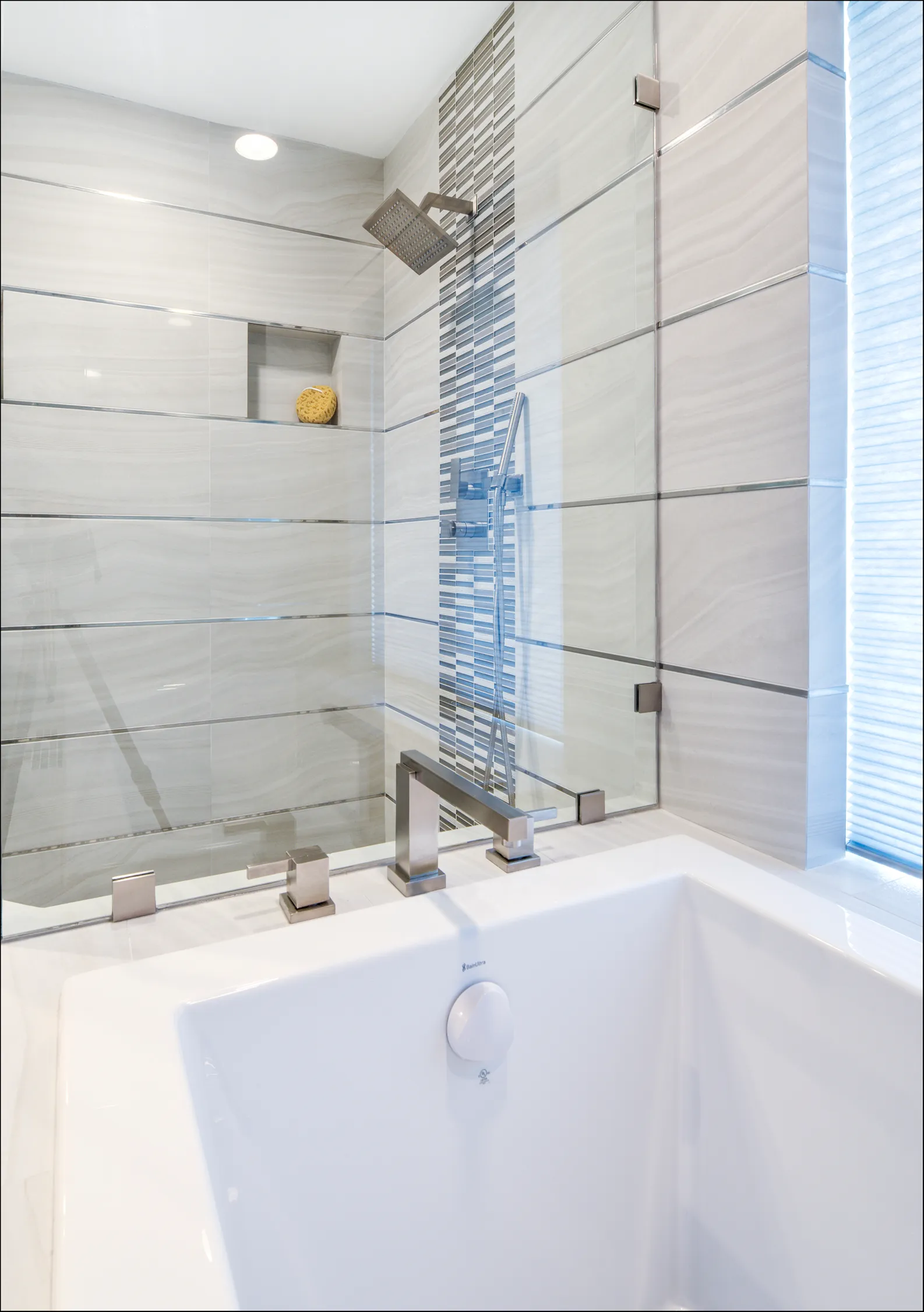
Here's a small heresy: most homes we work on don't need crown molding. Crown belongs in traditional rooms with the ceiling height to support it. In midcentury ranches and contemporary remodels, a crisp, clean joint where wall meets ceiling is the more honest detail — and harder to execute well than it looks. If you do use crown, use it deliberately and generously; a sliver of crown reads as an apology.
Paint-grade, stain-grade, and the finish that ties it together
Most painted trim today is primed finger-jointed wood or MDF, which takes paint beautifully and stays straight — a real consideration in our coastal humidity swings, where solid wood moves with the marine layer. Stain-grade hardwood costs more and belongs where the wood itself is the show. Either way, trim is where sheen earns its keep: a durable satin or semi-gloss on trim against flatter walls gives rooms subtle depth. We covered that pairing in more detail in Choosing Interior Paint: Sheens, Whites, and Test Patches.
Trim decisions are small individually and enormous collectively — which is why we settle them during design, not in the final week of construction. If you're planning a whole-home remodel and want every room speaking the same language, request a consultation or give us a call — we'll sweat the quarter-inch details so you never notice them again.
Design · Build · Integration
Let's build something beautiful.
Call (619) 334-3322 or request your free design-build consultation.