
Bringing Light Into a Dark House
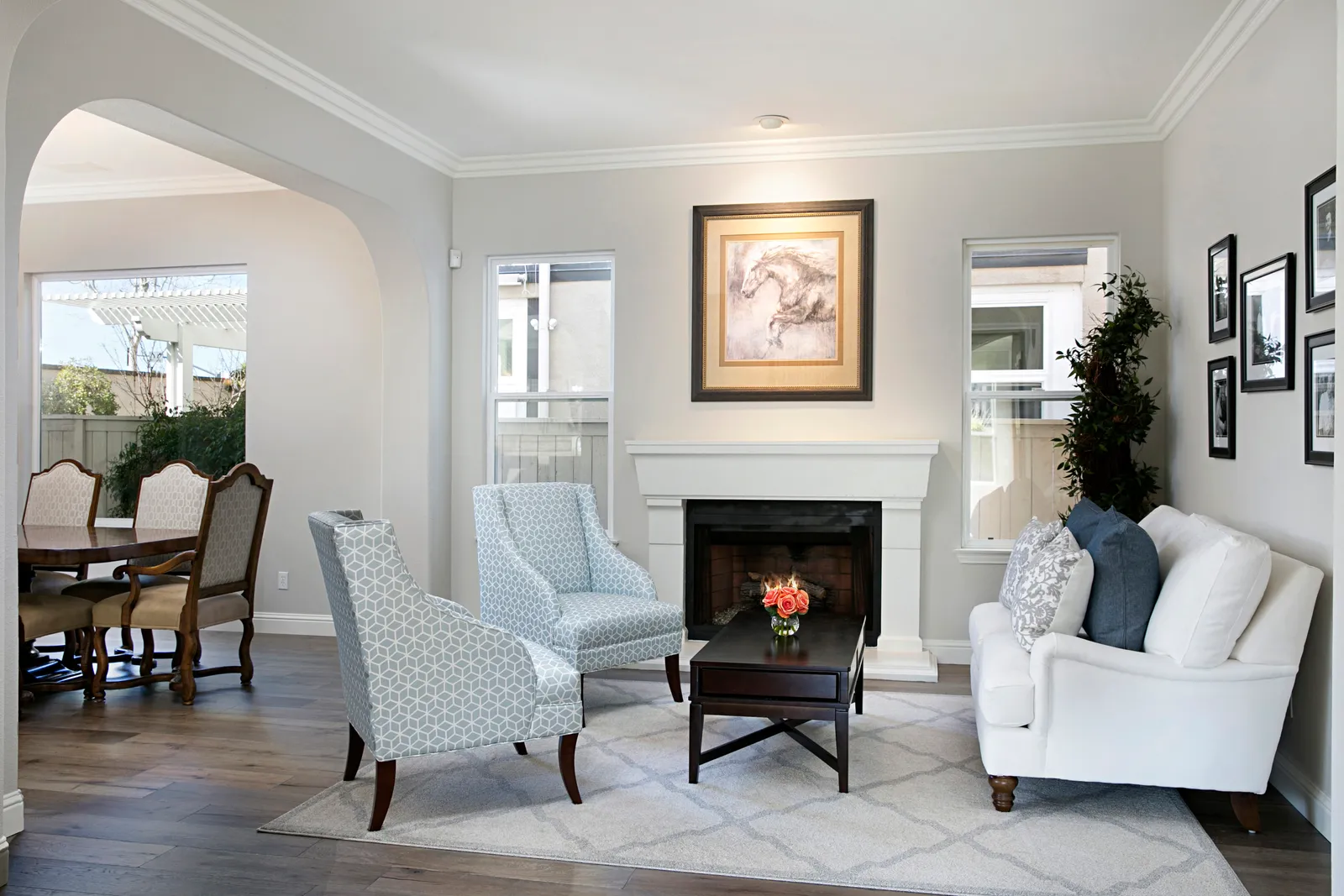
It's a strange irony of living here: outside, San Diego serves up some of the most reliable sunshine in the country, and inside, an awful lot of our houses are dim. Small original windows, deep eaves, chopped-up floor plans — the older housing stock was designed to keep the sun out, back when nobody had heard of low-e glass.
If you find yourself flipping on lights at noon in August, the house is telling you something. The good news: darkness is one of the most fixable problems in remodeling, and the fixes range from modest to transformative.
Let more light in
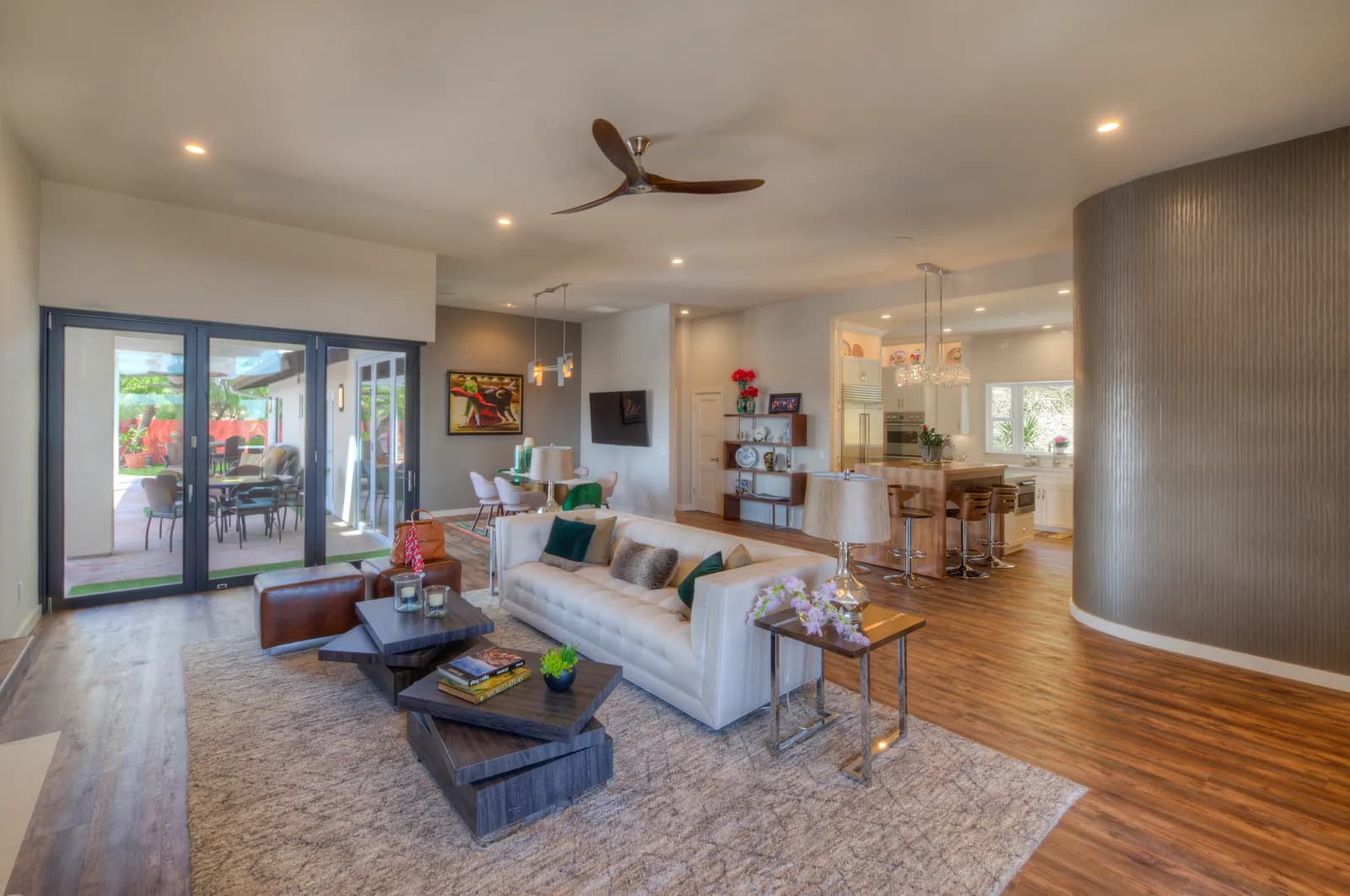
The obvious move is more glass, and it's usually the right one — enlarged windows, added windows on the sunny side, glass doors where solid ones stood. Skylights and tubular daylighting devices deserve special mention in San Diego, because our single-story ranches put most rooms directly under the roof: a hallway or interior bathroom that has never seen daylight can get it in a day's work. And nothing floods a room like a wall that opens — sliding or folding glass doors that dissolve the line between the living room and the patio, which in this climate pays off nearly year-round as outdoor living space too.
Let light move through the house
Here's what surprises homeowners: the biggest gains often come from removing things, not adding them. A load-bearing wall between a dark kitchen and a bright living room blocks more daylight than any window can replace. Opening the plan, widening cased openings, swapping solid interior doors for glass-paneled ones, and adding interior transoms all let one well-lit room lend light to its neighbors. When a house is dark in the middle, that's a floor-plan problem — the kind a whole-home remodel is built to solve.
Keep the light once you have it
Surfaces decide whether daylight survives the trip. Dark paneling, heavy window coverings, and low-sheen deep colors absorb light; pale walls, lighter floors, and a few reflective moments — a big mirror opposite a window, glossy tile in the kitchen — bounce it deeper into the room. Color choices carry mood as well as brightness, something we explored in color psychology in home design. One local note: on marine-layer mornings in the coastal neighborhoods, warm-toned finishes keep a room from reading gray until the sun burns through.
Start with a light audit
Before drawing anything, walk your house at three times of day and note where the light dies. Morning-dark bedrooms, a cave of a kitchen at dinnertime, a hallway that's always night — each points to a different fix, and the pattern tells a designer whether you need bigger glass, fewer walls, or both. Most dark houses need a combination, sequenced sensibly, which is exactly the kind of puzzle design-build was made for.
You might also enjoy Maximizing a Small San Diego Lot.
Related reading: The Art of the Entryway.
Tired of living in the shade in the sunniest county around? Tell us what you're working with or give us a call — we'll show you where your house is hiding its daylight.
Design · Build · Integration
Let's build something beautiful.
Call (619) 334-3322 or request your free design-build consultation.