
Built-Ins: When Custom Carpentry Beats Furniture
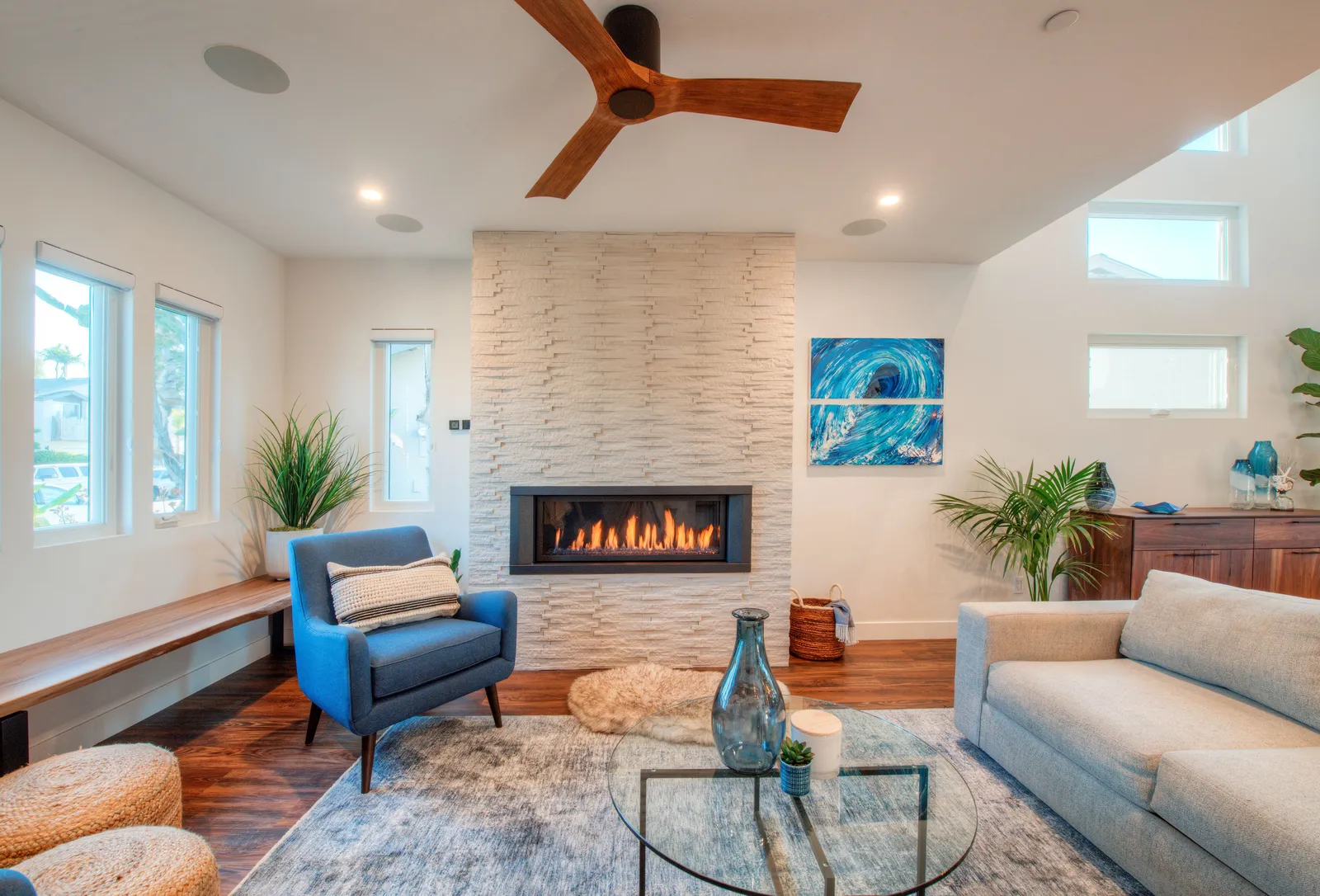
Somewhere in your house there's a wall that furniture has never quite solved. The nook beside the fireplace that no bookcase fits. The dining room wall where a buffet always looks two sizes wrong. The bedroom alcove that has hosted three different dressers, none convincingly.
Furniture is designed for the average room. Built-ins are designed for yours. That's the whole argument — but knowing when it's worth the carpentry is where the judgment comes in.
Where built-ins earn their keep
Built-ins win wherever the architecture is doing something specific. Flanking a fireplace, wrapping a window with a seat and drawers below, lining a hallway with a shallow library, turning a dining corner into a banquette that seats six where chairs fit four. In San Diego's older housing stock — Spanish revivals with arched niches, midcentury ranches with long low walls — these odd, charming moments are exactly where store-bought pieces fail and millwork shines.
They also win on the math of small spaces. A banquette recovers the circulation space chairs demand. A window seat is storage, seating, and architecture in one move. In a house you're improving rather than leaving, that recovered space compounds — the same logic behind the hidden storage ideas we build into kitchens.
What separates "built-in" from "boxed-in"
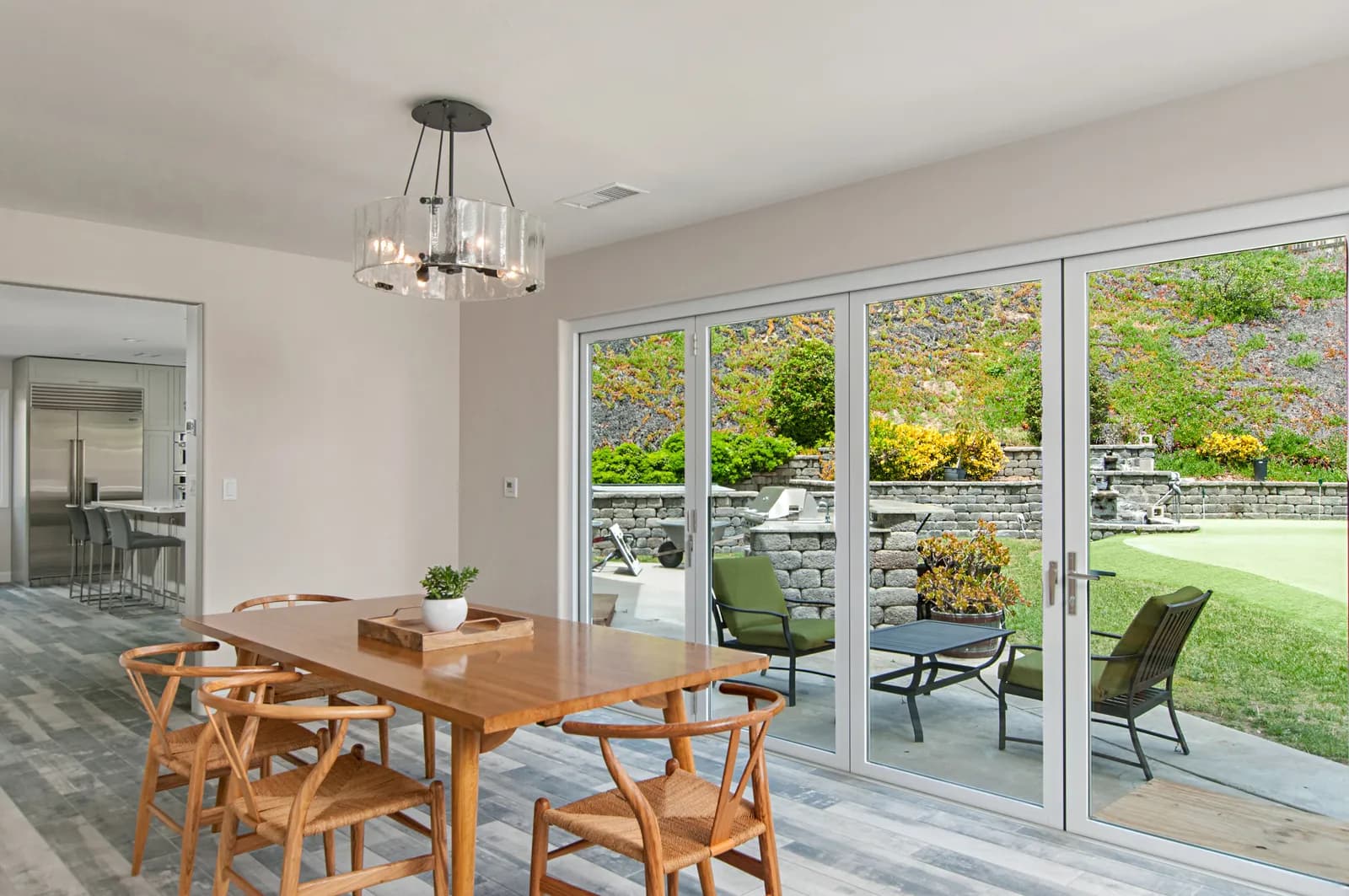
A built-in should look like the house grew it. That comes down to details most people feel rather than see:
- Trim continuity. The unit's base aligns with the room's baseboards and its crown resolves cleanly at the ceiling — the same discipline we covered in trim that finishes a room.
- Scribed fit. Real walls aren't straight. Good carpentry is scribed to the actual plaster, with no caulk canyons.
- Proportion. Shelf spacing, face-frame widths, and door panels sized to the room, not to a factory standard.
- Integrated function. Outlets inside cabinets, lighting in the shelves, media wiring you never see.
Painted finishes that match the room's trim make a piece disappear into the architecture; a contrasting stained interior makes it a focal point. Both work — the mistake is not deciding.
When furniture is still the right call
Honesty time: built-ins aren't always the answer. If you might reconfigure the room in a few years, furniture moves and millwork doesn't. Rental properties, kids' rooms with fast-changing needs, and any wall you suspect a future opening might pass through are better served by pieces you can relocate. And a genuinely beautiful freestanding antique will beat generic cabinetry every day of the week.
The best time to commit is during a larger project — a whole-home remodel or room refresh — when the wall is open anyway and blocking, wiring, and lighting can go in before drywall. Bolting a bench to a finished wall is possible; building it into the framing is better.
If there's a wall in your house that furniture keeps losing to, we'd enjoy solving it properly. Start the conversation or give us a call — we'll design carpentry that fits your rooms like it was always there.
Design · Build · Integration
Let's build something beautiful.
Call (619) 334-3322 or request your free design-build consultation.