
Outdoor Heaters, Fire Pits, and Extending Patio Season
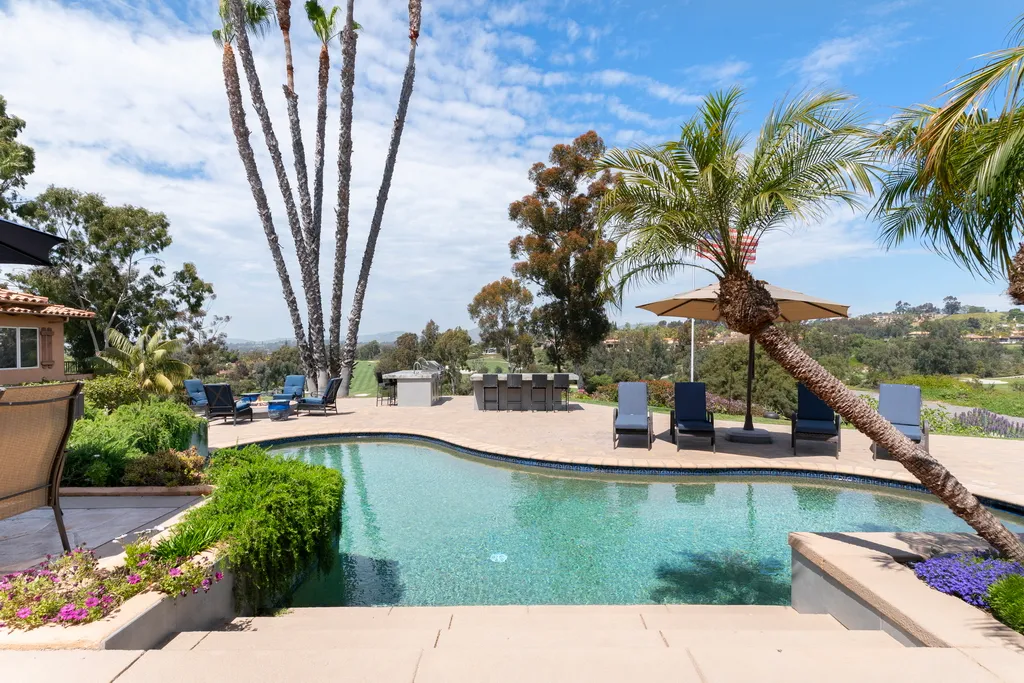
San Diego doesn't really have a winter, but it absolutely has an indoors season — and it starts around now. The sun drops before six, the evening air turns crisp the moment it does, and the patio that hosted dinner three nights a week in August quietly goes dark until April.
It doesn't have to. A 58-degree evening is genuinely pleasant with a heat source and a little wind protection — and unlike places with real winters, that's as cold as most of our nights get. A modest investment in warmth buys you four or five extra months of outdoor living a year, which makes it some of the best money in the whole backyard.
The fire pit: warmth you gather around
A built-in gas fire pit is the anchor move. It lights instantly, burns clean on the region's frequent no-burn nights when wood smoke is restricted, and — done right — becomes the place everyone migrates after dinner. The design details matter more than the flame itself: seat walls or chairs close enough that knees actually get warm, a ledge wide enough to hold a glass, and placement that considers the prevailing evening breeze, which on coastal lots arrives reliably from the west. A fire feature downwind of the seating warms nobody.
If you're deciding between a fire pit and a fireplace, think about how you host. Pits are social and circular; outdoor fireplaces are directional and dramatic, and they double as a windbreak on the exposed side of a patio.
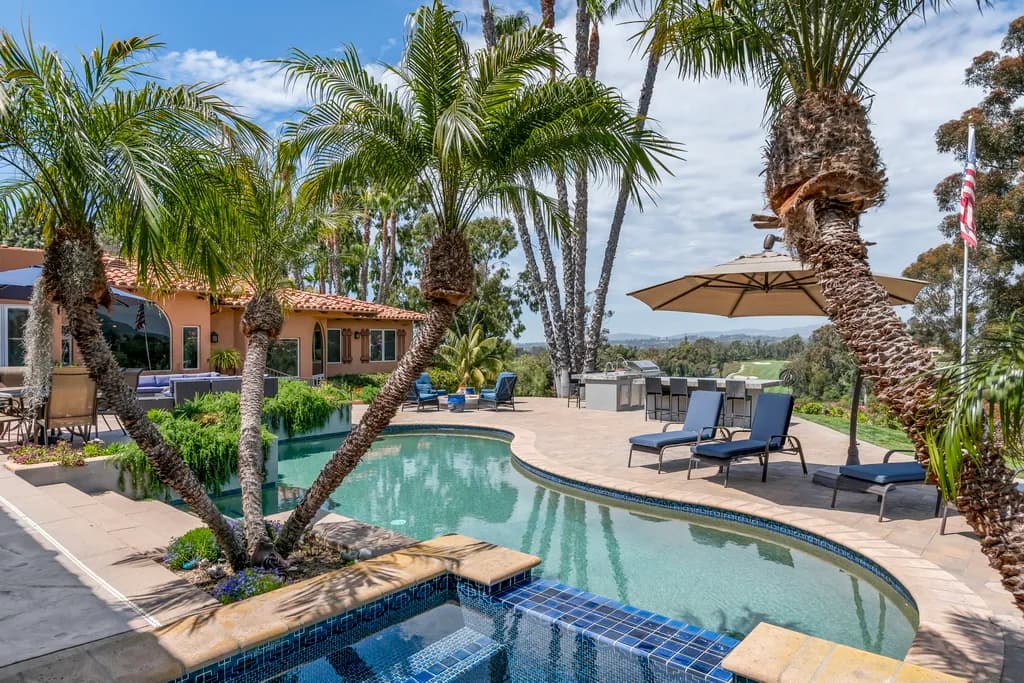
Overhead heat: warmth you dine under
Fire pits are for lingering; overhead heaters are for eating. Mounted or recessed heaters under a solid patio cover keep a dinner table comfortable without anyone huddling, and running gas or electrical to them during construction is far cleaner than dragging portable heaters around for a decade. This is one of the strongest arguments for a real roofed structure over the dining zone: it holds heat, it carries the heaters and lighting, and it keeps the table dry once the winter rains arrive. If you built the backyard kitchen we made the case for in August, overhead heat is what keeps it earning its keep in January.
Layout is half the warmth
Before adding a single BTU, look at what the space does with the heat it has. Solid low walls on the windward side, a hedge line, even the house itself can turn a breezy patio into a still one — and still air feels ten degrees warmer. Materials help too: masonry and concrete soak up the afternoon sun and give it back after dark, while a lawn does the opposite. The same indoor-outdoor connection that makes summer evenings effortless also lets the house lend its warmth and light to the patio's edge in winter.
Plan it as one system
The backyards that stay in use year-round aren't the ones with the most equipment — they're the ones where heat, shelter, light, and seating were designed together. That's the difference between an outdoor living project and a collection of purchases, and fall is a smart time to design one: plan through the winter, build in spring, and have it ready the day the evenings warm up.
Want your patio back before next summer does it for you? Tell us what you're planning or give us a call — we'll design an outdoor room that ignores the calendar.
Design · Build · Integration
Let's build something beautiful.
Call (619) 334-3322 or request your free design-build consultation.