
Solar-Ready Remodels: Prepping the Roof and the Panel
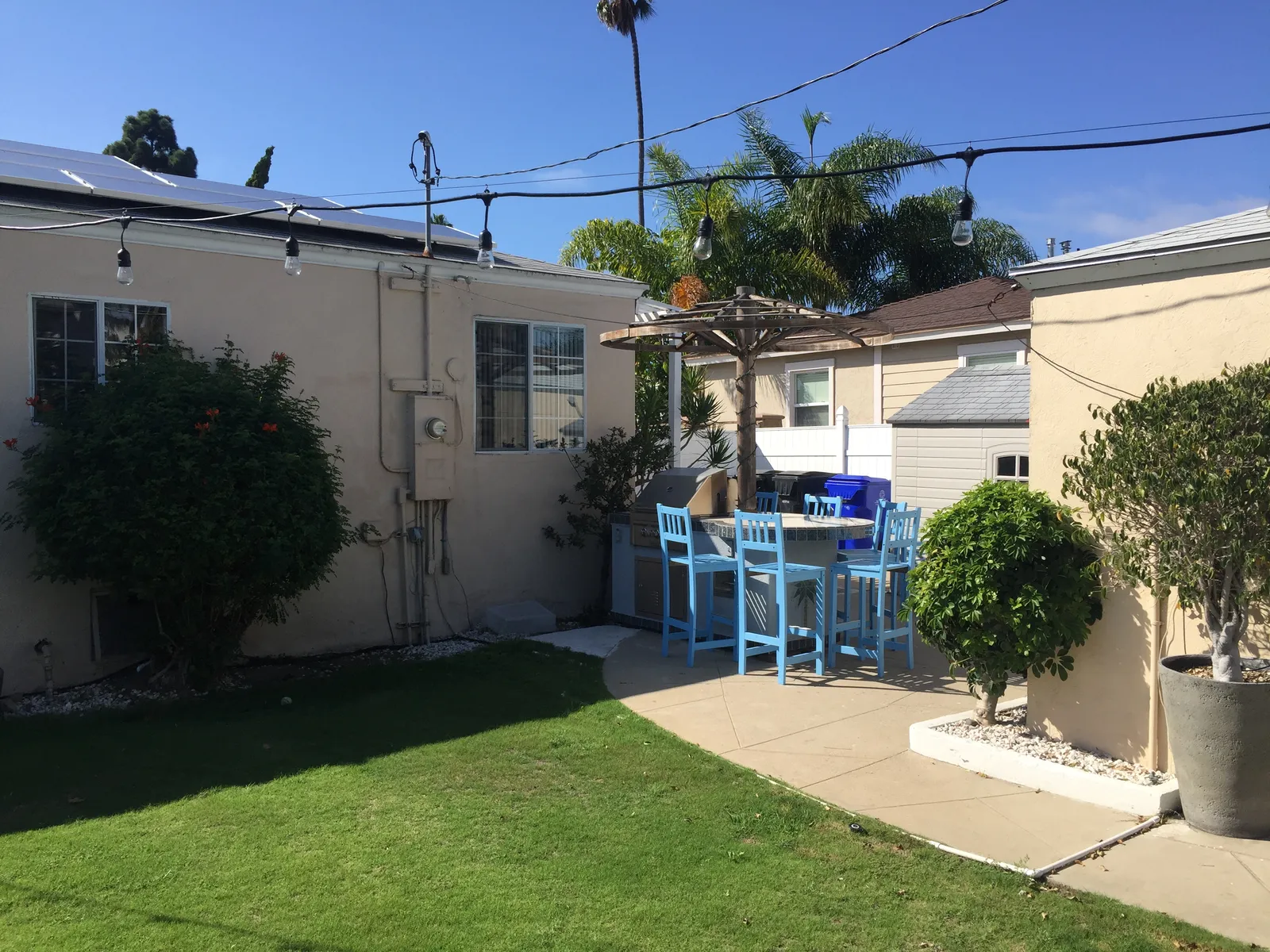
San Diego gets sun roughly 260 days a year, and after the winter we've just had — storm after storm rolling through since January — a lot of homeowners are thinking about their roofs anyway. If solar is anywhere on your five-year list, here's the thing we want you to hear before your remodel starts: the panels are the easy part. The expensive, disruptive work is everything underneath them, and a remodel is the one moment you can fold that work in almost invisibly.
You don't have to buy a single panel this year to make your home solar-ready. You just have to make a handful of decisions while the walls are open and the crews are already there.
Roof first, panels never before
Solar equipment routinely outlives the roofing under it, and removing an array to re-roof later is a cost you pay twice. So the sequence matters: if your roof is in the back half of its life and your remodel touches it — a second-story addition, new dormers, even significant skylight work — re-roof as part of the project. While you're at it, this winter was a free stress test; if your ceilings stayed dry through the atmospheric rivers, you learned something valuable, and if they didn't, we wrote about what that means for older San Diego homes.
Design plays a role too. When we're shaping an addition, we think about which roof planes face south and west, how much uninterrupted area they offer, and where vents and flues land — plumbing stacks scattered across your best solar plane are a small design oversight that costs real capacity later.
The panel is the real bottleneck
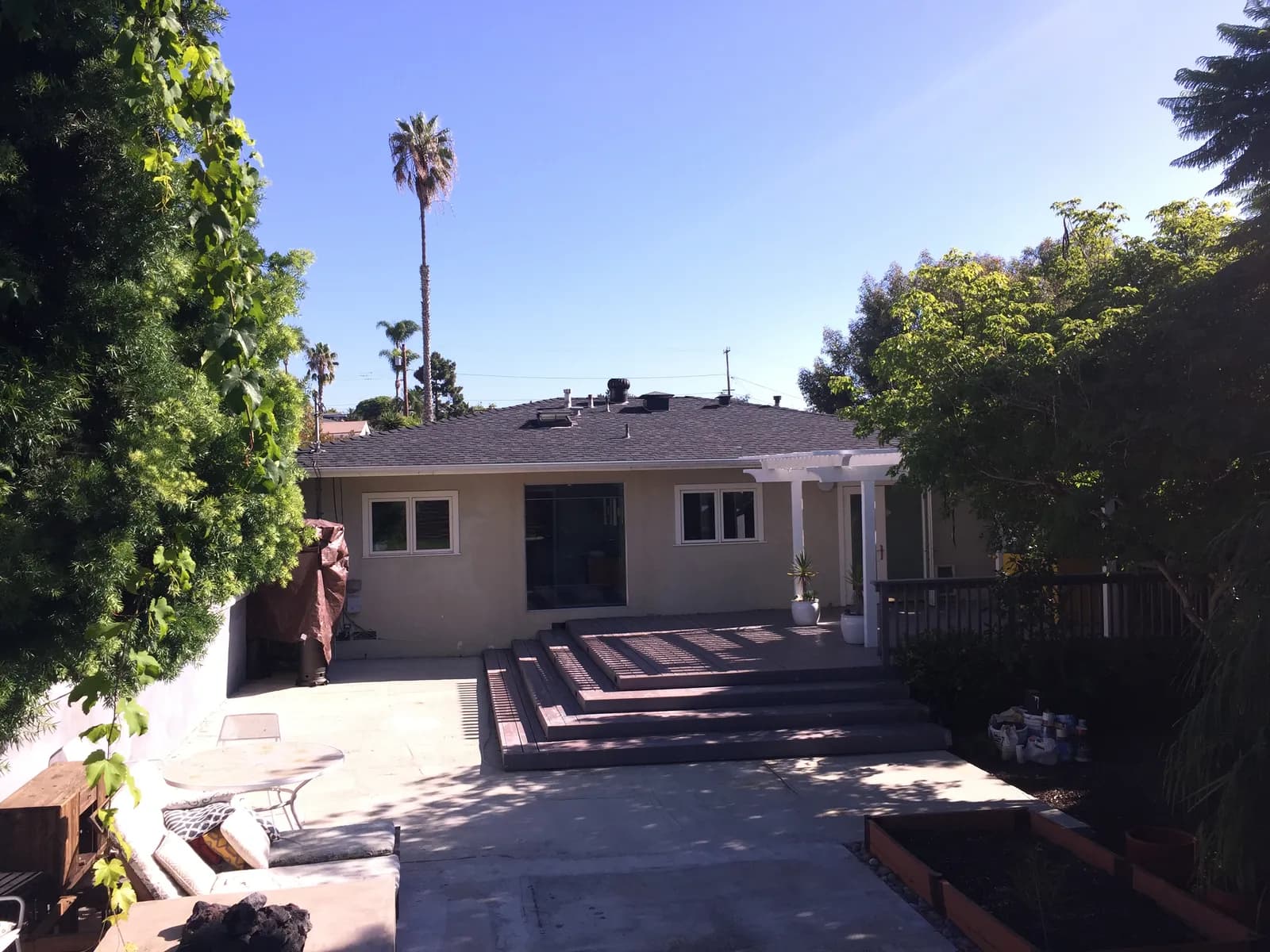
Most San Diego homes built before the 1980s are running on electrical service that was never meant to host solar, a battery, an EV charger, and an induction range at once. Upgrading the main panel is far cheaper during a remodel — the trenching, drywall, and inspections are already happening — than as a standalone project. If you're already weighing heat pumps and electric appliances, our post on home electrification incentives covers why panel capacity is the gateway to all of it.
The cheap stuff that's priceless later
Solar-readiness is mostly humble hardware installed while access is easy:
- Empty conduit from the attic or roof to the panel location
- A dedicated breaker space (or two) reserved in the new panel
- A clear, shaded wall area near the panel for a future battery
- Blocking or structural notes documenting where mounts can land
Any one of these costs little during construction and a surprising amount as a retrofit. Fishing a conduit run through finished walls means drywall patches, paint matching, and a return trip from the electrician; laying the same conduit while the framing is open takes an hour. That asymmetry is the entire argument for planning ahead.
Rules change; readiness doesn't
California's net-metering rules are set to change this spring, and the economics of solar will keep shifting as utilities and incentives evolve — that's been true for a decade. We can't predict where the numbers land. What we can say is that a home with a young roof, a modern panel, and conduit in the walls can act quickly whenever the math looks right to you, instead of paying for two rounds of construction.
Planning a remodel this year and wondering what solar-ready should mean for your house specifically? Request a consultation or give us a call — we'll build the readiness in now so the sun can pay you back later.
Design · Build · Integration
Let's build something beautiful.
Call (619) 334-3322 or request your free design-build consultation.