
What Final Walkthroughs and Punch Lists Are For
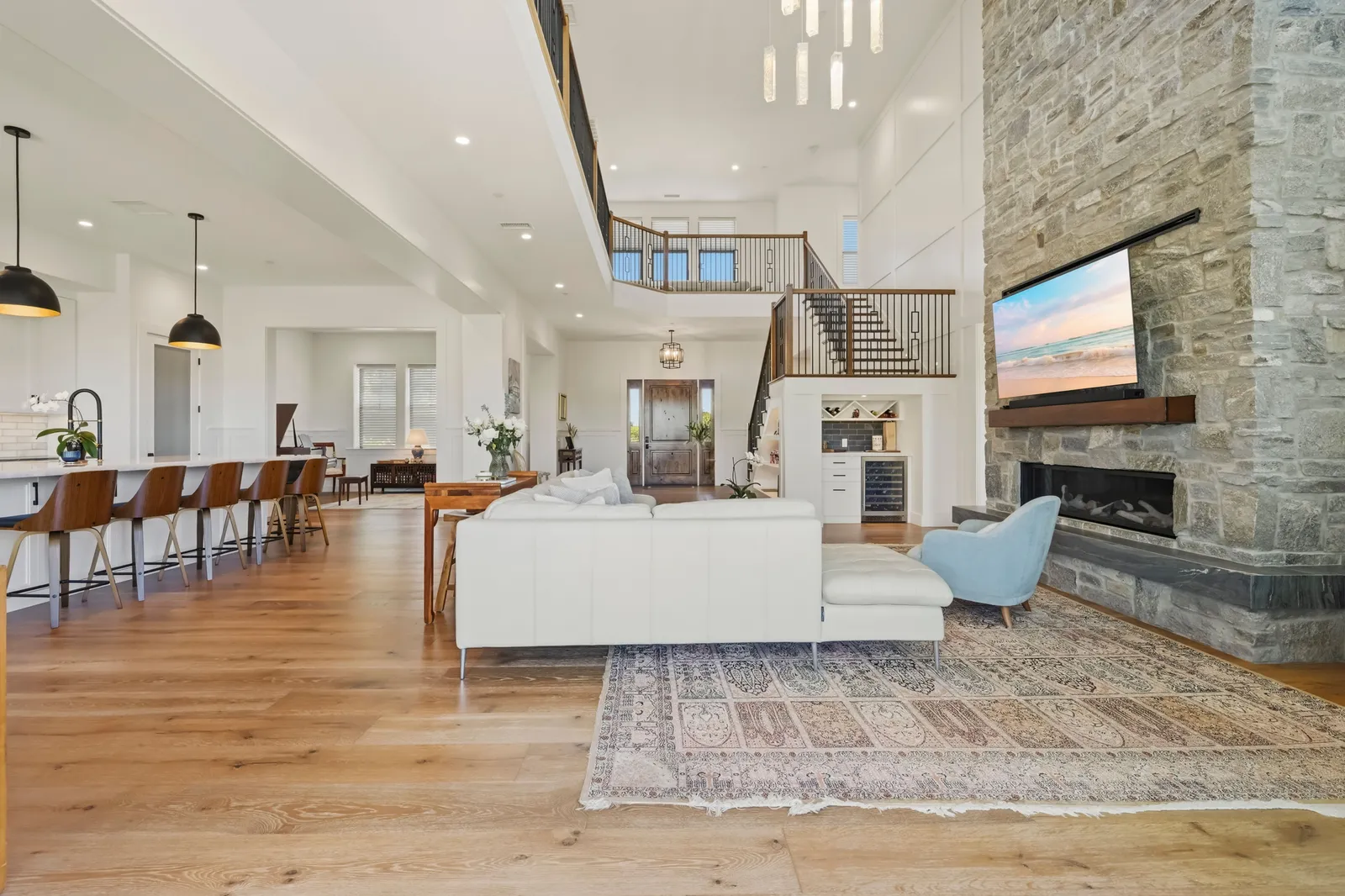
The last week of a remodel has a ritual all its own. The dust barriers are down, the floors are unwrapped, and you walk the finished rooms with your project team, a roll of blue painter's tape in hand. Every strip of tape marks something: a door that needs a quarter-turn adjustment, a paint touch-up by the stair, an outlet cover sitting slightly crooked.
That walk is the final walkthrough, and the list it produces is the punch list. Homeowners sometimes feel awkward pointing things out — as if flagging a scuffed baseboard is impolite after months of good work together. It isn't. This step exists precisely so you'll point at things.
What the walkthrough actually covers
It's more than a scavenger hunt for paint flaws. A thorough walkthrough moves room by room and checks operation, not just appearance: every door and drawer opened, every faucet run hot and cold, every window locked and unlocked, lights and dimmers cycled, appliances put through a cycle. You'll also get the owner's briefing — where the water shutoff lives, how the new ventilation works, what the finish on your counters wants (and doesn't want) for cleaning.
Why builders like us love the punch list
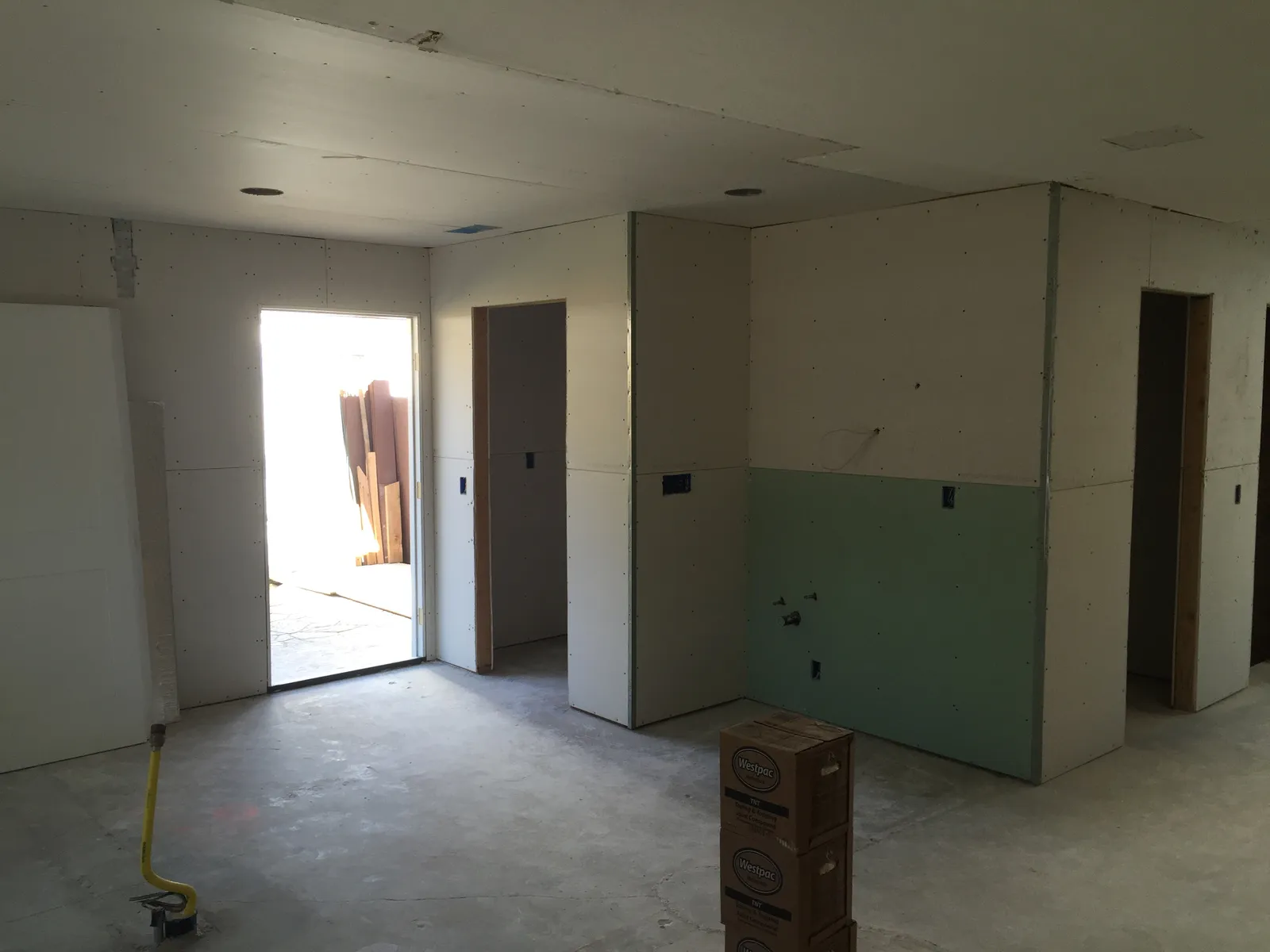
A punch list isn't an indictment of the work — it's the natural residue of a hundred trades touching the same rooms. As we described in the finish phases of a remodel, the last ten percent of a project is dozens of small handoffs, and a few always need a second pass. What separates builders is not whether a punch list exists but how it's handled: written down, assigned, scheduled, and closed out in days rather than lingering for months. We'd rather fix twenty small things this week than field one frustrated call in June.
A few tips for your side of the walk:
- Do it in daylight if you can — raking afternoon sun shows wall surfaces honestly
- Touch everything; hands find what eyes miss
- Ask questions freely; there are no dumb ones during a handoff
What happens after the tape comes off
Punch-list items get corrected, you walk the space once more, and the project formally closes — final payment, lien releases, warranty documents, and a folder of manuals and paint schedules for the years ahead. Then the relationship shifts rather than ends. A house moves through its first summer and winter, materials settle, and a good builder expects a call or two in that first year. That follow-through is the substance behind our promise, and the walkthrough is where it starts — it's the last step of our process on paper, and the first day of you simply living in the house.
If you're interviewing remodelers this spring, ask each one how they run their final walkthrough and who closes out the punch list. The answer tells you a lot. Request a consultation or give us a call — we'll show you what a well-finished project looks like, down to the last strip of blue tape.
Design · Build · Integration
Let's build something beautiful.
Call (619) 334-3322 or request your free design-build consultation.