
First 90 Days in a Fixer-Upper: What to Do (and Not Do)
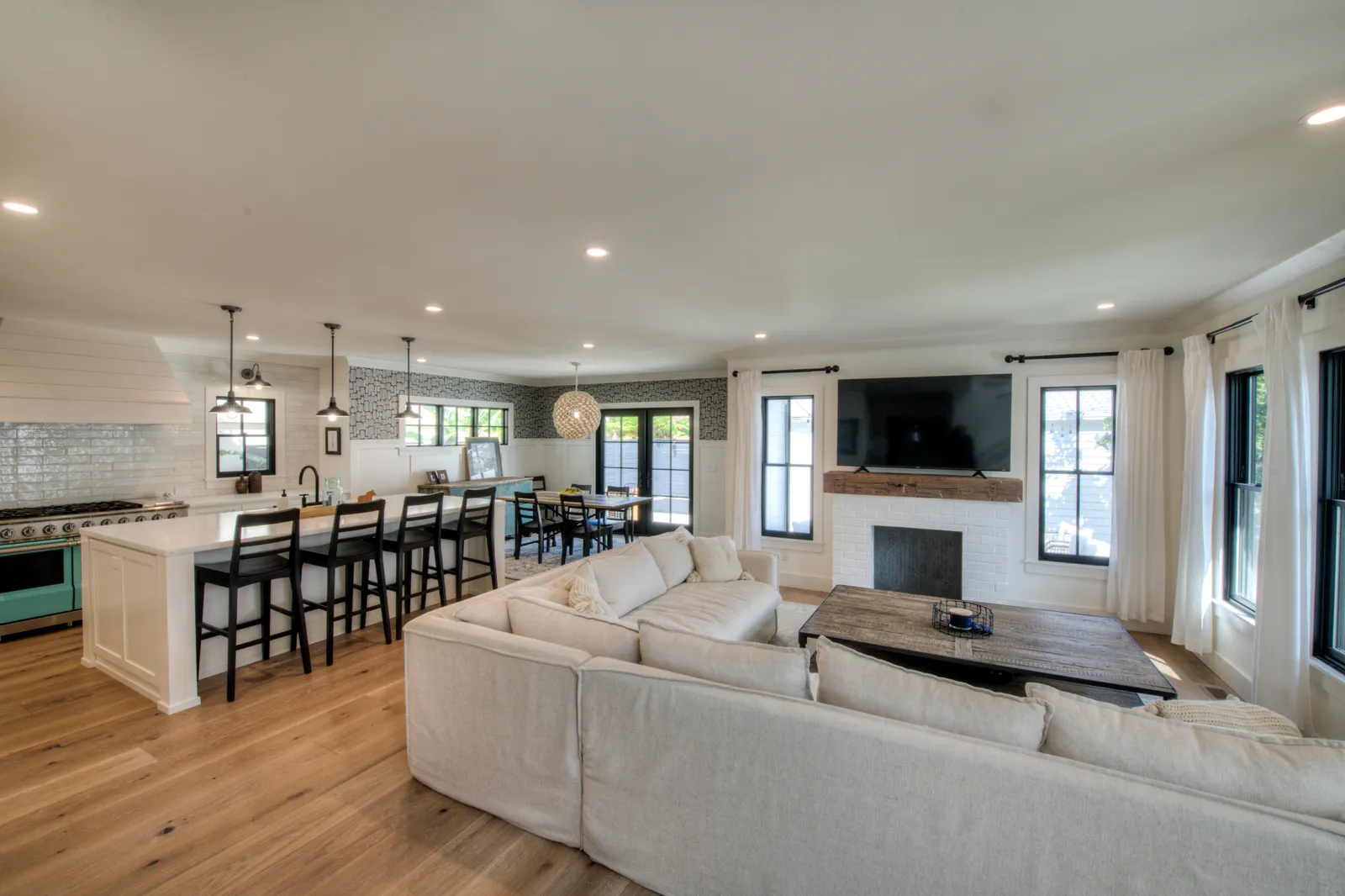
Every year around the holidays we get a particular kind of phone call. Someone has just closed on a house — usually the "good bones, needs work" listing they fought for all fall — and now they're standing in it with a box of keys and a head full of plans. The question is always the same: where do we even start?
With mortgage rates where they've been, more San Diego buyers than ever are choosing the dated house they can improve over the finished one they can't afford. That's a sound strategy. But the first 90 days in a fixer-upper are full of traps, and the biggest one is moving too fast on the wrong things. Here's the playbook we give friends and clients alike.
Days 1–30: safety, water, and knowledge
Before anything cosmetic, handle what protects the house and the people in it:
- Water, first and always. Find the main shutoff. Check the water heater's age, look under every sink, and walk the roofline — if the first big January storm is going to find a leak, better that you find it first.
- Electrical and gas basics. An older panel, aluminum branch wiring in certain eras, or a corroded gas flex line are the things worth an expert's eyes right away.
- Smoke and CO detectors, locks, and a clean sewer line. A camera inspection of the sewer lateral is cheap insurance in neighborhoods full of 1950s clay pipe and mature ficus roots.
Just as important: gather knowledge. Pull whatever permit history exists, keep the inspection report handy, and start a running list of everything you notice. That list becomes gold later.
Days 30–90: live in it before you redesign it
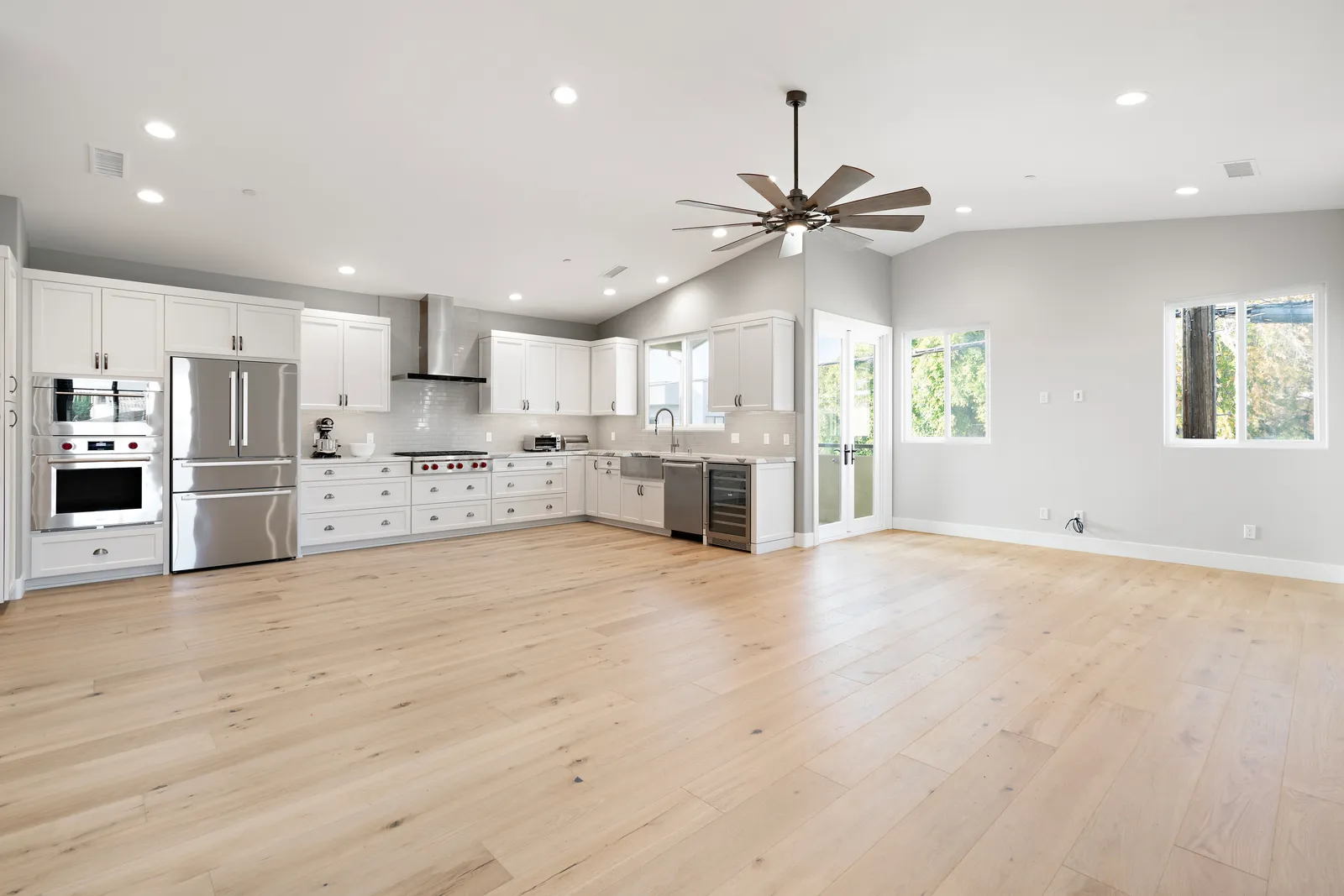
This is the counterintuitive part, and the one that saves people the most money: don't remodel yet. Live in the house through a season or two. Notice where the afternoon sun lands, which rooms stay cold under the marine layer, where everyone actually drops their shoes and mail, which bathroom gets the morning traffic jam. A floor plan that looks wrong on paper sometimes works in practice — and vice versa.
Cosmetic refreshes are fine in this window. Paint, swapped light fixtures, new hardware — they make the house yours without foreclosing any options. (If you're painting, test patches before you commit; fixer-upper lighting is full of surprises.)
What not to do
The classic first-90-days mistakes, in the order we see them:
- Don't remodel room by room on impulse. A new kitchen designed in isolation has a way of ending up in exactly the wrong place once you finally address the floor plan. Sequence follows plan, not enthusiasm.
- Don't open walls "just to see." Exploratory demo without a design creates dust, cost, and half-finished rooms.
- Don't skip permits to save time. Unpermitted work follows the house forever and complicates every future project.
- Don't spend your whole budget on the first project. Old houses keep secrets. Hold a healthy reserve.
Day 90: turn the list into a master plan
By spring, you'll know the house — what it does well, where it fights you, what you can live with. That's the moment to bring in a design-build team and turn your running list into a phased master plan: what happens first, what waits, and how each phase sets up the next instead of undoing it. It's the core of how a whole-home remodel stays sane, and it's exactly what a good pre-construction phase is for. Even if construction is a year away, planning early means you're never redoing work.
We cover the companion topic in Remodeling the Empty Nest: The Post-Kids Floor Plan.
Related reading: Earthquake Retrofits: Bolting, Bracing, and Peace of Mind.
If you're spending this holiday week in a house with good bones and a long to-do list, congratulations — you bought potential. Request a consultation or give us a call — bring the running list, and we'll help you turn it into a plan worth living in.
Design · Build · Integration
Let's build something beautiful.
Call (619) 334-3322 or request your free design-build consultation.